Why Employee Well-Being Is Becoming a Business Priority
The future of work is not only about artificial intelligence, automation, digital transformation, and flexible working arrangements. It is also about the people who make organisations function. As businesses adopt new technologies, compete in demanding markets, and respond to continuous change, employee well-being is becoming an increasingly important part of workplace strategy.
For many years, organisations primarily measured success through productivity, revenue, operational efficiency, customer satisfaction, and business growth. These measures remain important, but they do not tell the complete story. A business may achieve short-term targets while employees experience excessive workloads, prolonged stress, poor work-life boundaries, limited professional support, or a lack of recognition. Over time, these conditions can affect performance, employee engagement, retention, collaboration, and organisational stability.
Modern workplaces are changing the relationship between employees and employers. Remote work has increased flexibility for many professionals, but it has also blurred the boundaries between working hours and personal time. Digital communication allows teams to collaborate quickly, but constant notifications and meetings can interrupt focused work. Artificial intelligence can automate repetitive tasks, but uncertainty about changing job responsibilities may create additional pressure. Employees are also expected to learn new skills continuously while maintaining their existing responsibilities.
These developments make employee well-being an important business consideration rather than an optional workplace benefit. Organisations need to create environments where employees can perform effectively without sacrificing their long-term health, dignity, and personal lives.
Continue Reading
Workplace well-being includes several connected dimensions. These include physical working conditions, psychological safety, mental health support, workload management, financial security, professional development, social relationships, and a sense of purpose. Improving one dimension while ignoring the others may produce limited results.
This article explores why employee well-being matters, how modern working arrangements influence it, what organisations can do to build healthier workplaces, and how leaders can create sustainable working environments for the future.
Understanding Employee Well-Being
Employee well-being refers to the overall experience of employees in relation to their working environment, responsibilities, relationships, resources, and ability to manage professional and personal demands.
It is broader than employee happiness or job satisfaction. An employee may enjoy working with colleagues but still experience an unsustainable workload. Another employee may receive a good salary but feel that their work has little meaning or that they have no opportunity to develop professionally.
A healthy workplace considers the different factors that influence an employee's experience and creates systems that support people over time.
Physical Well-Being
Physical well-being involves the conditions that allow employees to work safely and comfortably. It includes workplace safety, ergonomic arrangements, access to appropriate equipment, reasonable breaks, movement, and the prevention of occupational hazards.
In an office environment, poor seating arrangements, inadequate lighting, uncomfortable workstations, and long periods without movement can affect employees. In manufacturing, construction, healthcare, logistics, and other physically demanding industries, safety procedures and appropriate protective equipment are essential.
Remote employees also need suitable working conditions. Organisations should recognise that employees may not have access to the same equipment or ergonomic facilities at home as they would in an office.
Mental and Emotional Well-Being
Mental and emotional well-being concerns how employees experience and manage workplace demands, relationships, uncertainty, and pressure. It includes the ability to focus, communicate, recover from demanding periods, and access appropriate support when difficulties arise.
Workplace stress may be influenced by excessive workloads, unclear responsibilities, poor management, workplace conflict, job insecurity, or a lack of control over work. These factors can affect concentration, decision-making, communication, and the ability to complete tasks effectively.
Organisations should not assume that employees can manage every workplace challenge independently. Management practices and working conditions have a significant influence on the employee experience.
Social Well-Being
Social well-being involves relationships, belonging, respect, and connection with colleagues. Employees often work more effectively when they can communicate openly, collaborate constructively, and seek help when necessary.
A workplace where employees feel isolated, excluded, or unable to trust their colleagues may experience communication problems and reduced collaboration.
Remote and hybrid work make social connection particularly important because employees may have fewer informal opportunities to interact. Organisations need deliberate approaches to collaboration and team relationships without turning every interaction into another scheduled meeting.
Financial Well-Being
Financial well-being is influenced by compensation, financial security, benefits, predictable employment conditions, and access to relevant financial information.
Employees may experience considerable pressure when their income is uncertain, compensation is not transparent, or employment conditions change without adequate communication.
Fair compensation does not guarantee complete financial security, but organisations can contribute through clear pay structures, timely payments, appropriate benefits, and predictable employment practices.
Professional Well-Being
Professional well-being involves having meaningful responsibilities, opportunities to learn, fair recognition, and a reasonable understanding of future career possibilities.
Employees who feel that their skills are not being used or that their careers have reached a dead end may become disengaged. Professional development, mentoring, constructive feedback, and internal mobility can help people maintain a sense of progress.
Why Employee Well-Being Matters for Business Performance
Employee well-being is sometimes presented as a benefit that organisations provide in addition to their main business activities. In reality, it is closely connected to how businesses operate.
Productivity and Work Quality
Productivity depends on employees having the capacity, knowledge, resources, and working conditions required to complete their responsibilities.
When employees face constant interruptions, unclear priorities, excessive workloads, or inadequate support, the quality and consistency of their work may suffer. Mistakes may become more frequent, tasks may take longer, and employees may struggle to concentrate.
A healthier working environment can support better performance by reducing unnecessary obstacles. Clear priorities, reasonable workloads, appropriate tools, and effective management allow employees to direct more attention towards meaningful work.
The objective should not be to make employees work continuously. It should be to help them work effectively and sustainably.
Employee Retention
Recruiting and training employees requires time, money, and management attention. When experienced employees leave frequently, organisations may lose valuable knowledge and disrupt important projects.
Workplace conditions can influence an employee's decision to remain with an organisation. Poor management, persistent overwork, lack of recognition, and limited career opportunities may contribute to dissatisfaction.
A supportive workplace cannot guarantee that every employee will stay, but it can create better conditions for long-term engagement. Employees are more likely to see a future in an organisation when they are treated fairly, supported in their responsibilities, and given opportunities to grow.
Better Collaboration and Communication
Employees who feel respected and supported may find it easier to ask questions, share ideas, and raise concerns. This can improve collaboration and help teams identify problems before they become serious.
For example, an employee who feels comfortable discussing an unrealistic project deadline may help the manager adjust priorities before the team misses the delivery date. An employee who can report a process weakness without fear of unfair treatment may help prevent operational problems.
A workplace that encourages open communication benefits from information that might otherwise remain hidden.
Customer Experience
Employee experience can influence customer experience. Employees who have the training, resources, authority, and support required to solve customer problems are often better positioned to provide consistent service.
In customer-facing roles, excessive pressure and inadequate staffing can affect response quality and communication. When employees are supported properly, they may be better equipped to handle difficult interactions and understand customer needs.
Businesses should therefore consider employee well-being as one factor within their broader customer experience strategy.
Organisational Resilience
Organisations face changing markets, technological disruption, economic uncertainty, and unexpected operational challenges. Employees need the capacity to learn, adapt, and respond to these changes.
A workplace that consistently operates at maximum pressure may struggle to manage disruption because employees have little time or energy to respond to new demands. Sustainable workloads, clear communication, and professional development can help teams remain adaptable.
The Major Workplace Factors Affecting Employee Well-Being
Employee well-being is influenced by many aspects of organisational design. Employers need to understand the conditions that shape everyday work rather than relying only on occasional wellness activities.
Excessive Workloads and Unrealistic Deadlines
High workloads are not always caused by employees working inefficiently. They may result from insufficient staffing, poor project planning, unclear priorities, repeated changes in requirements, or unrealistic business expectations.
When employees are regularly expected to complete more work than can reasonably fit into their available time, they may experience prolonged pressure. This can affect quality, motivation, and the ability to maintain personal responsibilities.
Managers should review workloads regularly, identify competing priorities, and make realistic decisions about what can be delivered. If new work is added, they should consider what existing work needs to be delayed, reassigned, or removed.
Lack of Role Clarity
Employees need to understand their responsibilities, decision-making authority, reporting relationships, and expected outcomes.
When roles are unclear, people may duplicate work, overlook important tasks, or become involved in unnecessary disagreements. Employees may also feel responsible for outcomes over which they have little control.
Managers should define responsibilities clearly, communicate expectations, and review them when projects or organisational structures change.
Poor Management Practices
Managers have a direct influence on daily working conditions. Excessive monitoring, inconsistent feedback, public criticism, favouritism, and a lack of communication can damage employee confidence.
Good management requires more than assigning tasks and checking progress. Managers need to provide direction, remove obstacles, listen to concerns, recognise contributions, and address problems fairly.
Organisations should treat management capability as an important part of workplace well-being.
Workplace Conflict and Harassment
Disrespectful behaviour, bullying, discrimination, harassment, and unresolved conflict can create an unsafe working environment.
Organisations need clear policies, accessible reporting procedures, fair investigations, and protection against retaliation. Employees should understand how concerns can be raised and what steps the organisation will take.
Policies are meaningful only when they are implemented consistently, including when complaints involve senior or influential employees.
Lack of Recognition
Employees want their contributions to be acknowledged fairly. When good work is repeatedly ignored or recognition is distributed inconsistently, people may question whether their efforts matter.
Recognition does not always require financial rewards. Managers can acknowledge contributions through specific feedback, opportunities for development, greater responsibility, and appropriate public appreciation.
Recognition should be genuine and based on actual contributions rather than popularity or personal relationships.
Limited Career Development
Employees who cannot see opportunities for professional growth may become disengaged. This is especially important in industries where technologies and job requirements change quickly.
Organisations should provide relevant training, mentoring, career conversations, and opportunities to work on new responsibilities. Employees need to understand how they can develop within the business rather than assuming that career progression requires leaving.
The Impact of Remote and Hybrid Work on Employee Well-Being
Remote and hybrid work have changed how employees organise their working lives. These arrangements can provide flexibility and reduce commuting demands, but they can also create challenges when organisations do not establish suitable working practices.
Benefits of Flexible Working
Flexible working can help employees organise their responsibilities more effectively. Depending on the role, it may reduce commuting time, provide greater control over working environments, and allow people to work from locations that suit their needs.
Businesses may also benefit from wider recruitment opportunities and reduced dependence on a single office location.
However, flexibility should not be confused with unlimited availability. Employees need clear expectations about working hours, response times, meetings, and deliverables.
The Problem of Always Being Available
Digital communication makes it easy to send messages at any time. Without clear boundaries, employees may feel pressure to monitor email, messaging platforms, and work applications beyond their normal working hours.
This can make it difficult to disconnect from work and recover from demanding days.
Organisations should establish reasonable communication expectations. Managers should avoid treating every message as urgent and should respect agreed working hours unless genuine operational requirements demand otherwise.
Social Isolation and Reduced Team Connection
Remote employees may miss informal conversations, spontaneous collaboration, and the social relationships that develop naturally in shared workplaces.
These interactions can support knowledge-sharing and professional learning. Their absence may make it harder for new employees to understand organisational culture or build relationships.
Managers can support connection through purposeful team discussions, mentoring, collaborative projects, and occasional opportunities for in-person interaction where appropriate.
Fairness Between Office-Based and Remote Employees
Hybrid arrangements can unintentionally create differences in visibility. Employees who spend more time with senior managers may receive more informal feedback or become more familiar to decision-makers.
Organisations should ensure that performance evaluations, promotion opportunities, mentoring, and access to important assignments are based on clear criteria rather than physical presence.
A fair hybrid workplace evaluates contribution and outcomes consistently.
Mental Health at Work: Creating a Supportive Environment
Mental health is an important part of employee well-being. Organisations should recognise that workplace conditions can influence how employees experience pressure, uncertainty, relationships, and professional responsibilities.
Employers are not expected to replace qualified healthcare professionals. Their responsibility is to create appropriate working conditions, provide access to relevant support, and treat employees with dignity and confidentiality.
Recognising Workplace Stress Factors
Workplace stress may arise from several connected factors, including excessive workload, poor communication, limited control, unclear responsibilities, workplace conflict, job insecurity, and insufficient resources.
Managers should look beyond individual performance when employees experience difficulties. A decline in performance may indicate that expectations are unclear or that workloads have become unrealistic.
Regular conversations can help managers understand whether employees have the resources and support needed to complete their work.
Reducing the Stigma Around Seeking Support
Employees may hesitate to discuss mental health concerns because they fear being judged, excluded from opportunities, or treated differently.
Organisations can reduce stigma through respectful communication, clear confidentiality practices, leadership awareness, and access to appropriate support services.
Managers should avoid making assumptions about an employee's personal circumstances. They should listen respectfully, understand relevant workplace policies, and direct employees towards suitable professional resources when appropriate.
Providing Access to Employee Assistance Programmes
Employee assistance programmes may provide confidential support for personal and work-related challenges. Depending on the programme, services may include counselling access, guidance, referrals, and other forms of assistance.
Organisations should explain what the programme offers, how confidentiality works, and how employees can access it.
Providing a programme is not enough if employees do not know it exists or do not trust how their information will be handled.
Supporting Employees During Organisational Change
Restructuring, automation, new management systems, mergers, and changes in responsibilities can create uncertainty.
Leaders should communicate what is changing, why it is changing, how employees may be affected, and where people can ask questions. When some details remain uncertain, managers should acknowledge that rather than making promises they cannot guarantee.
Clear and honest communication can help employees understand the situation and prepare for the next steps.
Building a Culture That Supports Work-Life Balance
Work-life balance is not simply about leaving the office at a particular time. It involves creating working conditions that allow employees to meet professional responsibilities while maintaining personal commitments and time for recovery.
Establish Reasonable Working Hours
Organisations should define working-hour expectations and avoid normalising excessive overtime. Managers need to distinguish between occasional urgent situations and a permanent pattern of overwork.
If a team regularly requires employees to work beyond agreed hours, leaders should investigate staffing, project planning, workload distribution, and operational processes.
Encourage Employees to Take Leave
Annual leave and other forms of approved time off allow employees to step away from work responsibilities. Organisations should make it possible for people to take leave without returning to an unmanageable backlog.
Managers should plan coverage and distribute responsibilities rather than expecting employees to remain available during their absence.
Reduce Unnecessary Meetings
Meetings can consume significant amounts of working time. Organisations should review recurring meetings, remove unnecessary sessions, and use written updates when discussion is not required.
Employees need sufficient uninterrupted time to complete complex work. A calendar filled with meetings can make it difficult to concentrate and deliver high-quality results.
Respect Personal Responsibilities
Employees may have caregiving responsibilities, family commitments, educational goals, or other personal obligations. Flexible arrangements can help people manage these responsibilities where the nature of the work allows it.
Managers should apply policies fairly and avoid assuming that employees with different personal circumstances are less committed to their jobs.
The Role of Leaders in Creating Healthier Workplaces
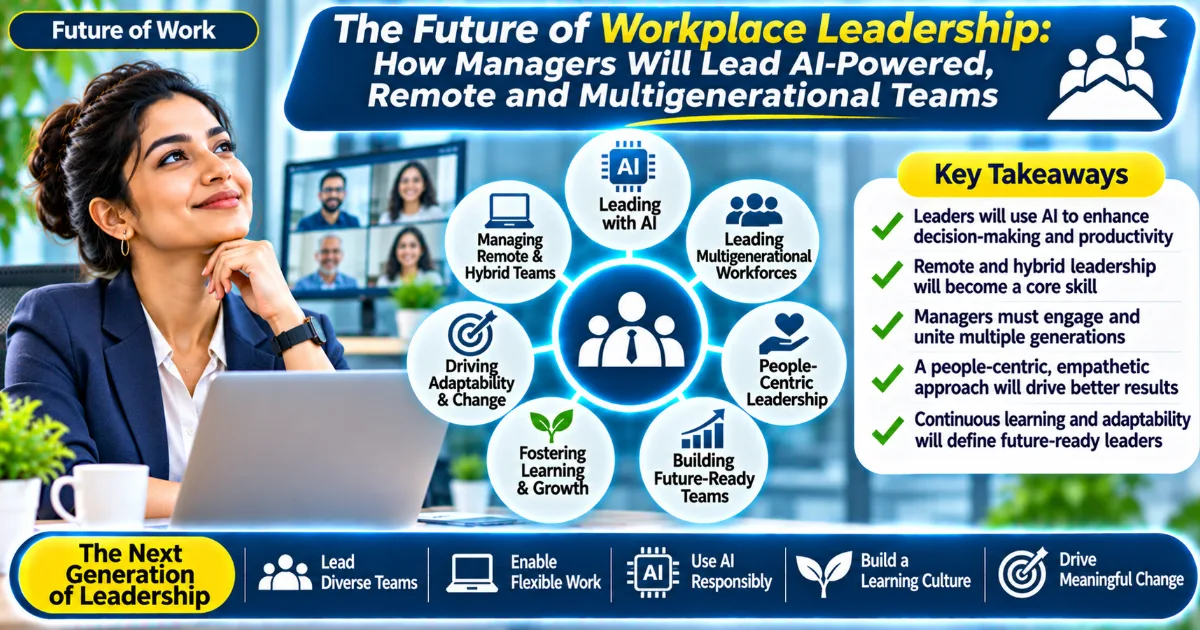
Employee well-being cannot be delegated entirely to a human resources department. Leadership decisions influence workloads, staffing, working hours, communication, employee development, and organisational culture.
Lead by Example
Managers influence workplace behaviour through their own actions. If leaders regularly send non-urgent messages late at night, praise excessive overtime, or never take breaks, employees may interpret these behaviours as expectations.
Leaders should demonstrate reasonable boundaries and communicate that sustainable performance matters more than constant availability.
Create an Environment Where Employees Can Speak Openly
Employees should be able to raise concerns about workload, workplace behaviour, unclear expectations, and operational difficulties without fearing unfair consequences.
Managers can encourage open communication by listening carefully, asking useful questions, and responding constructively. They should avoid dismissing concerns or immediately blaming individuals.
Train Managers to Recognise Workplace Problems
Managers need training in communication, workload planning, conflict resolution, performance conversations, and appropriate responses to employee concerns.
They should understand the limits of their role and know when an issue requires human resources support, occupational health guidance, or a qualified professional.
Make Well-Being Part of Business Planning
Well-being should be considered when organisations plan projects, introduce new technology, change working arrangements, and set performance targets.
For example, a digital transformation project may require employees to learn new systems while maintaining their existing responsibilities. Managers should account for training time and temporary changes in workload.
If well-being is considered only after employees begin experiencing difficulties, organisations may miss opportunities to prevent avoidable problems.
How Artificial Intelligence Can Influence Employee Well-Being
Artificial intelligence has the potential to improve working conditions, but its impact depends on how organisations introduce and manage it.
Reducing Repetitive Work
AI tools can assist with routine administrative tasks, document preparation, information retrieval, data organisation, and other repetitive activities.
When implemented effectively, automation may give employees more time for problem-solving, customer interaction, creative work, and professional development.
However, organisations should evaluate whether automation genuinely reduces workload or simply creates expectations for employees to complete more work in less time.
Improving Access to Learning
AI-powered learning tools can help employees find relevant information, practise new skills, receive explanations, and explore learning materials at their own pace.
Personalised learning may be useful when employees have different levels of experience and different development needs.
Organisations should ensure that learning recommendations are relevant, accurate, accessible, and connected to actual job requirements.
Creating Anxiety About Job Security
Employees may worry that AI will replace their roles or reduce the value of their existing skills. Uncertainty can increase when organisations introduce new systems without explaining their purpose.
Leaders should communicate how technology will affect work, what tasks may change, and what learning opportunities will be available.
Where roles are likely to be redesigned, employees deserve clear information and appropriate support.
Avoiding Excessive Digital Monitoring
Some organisations use digital tools to monitor employee activity, system usage, or productivity. While certain forms of monitoring may be necessary for security and operational purposes, excessive surveillance can damage trust.
Employers should explain what information is collected, why it is needed, and how it will be used. Monitoring should be proportionate, transparent, and consistent with applicable privacy requirements.
Technology should help organisations understand work, not create an environment where employees feel continuously watched.
Employee Well-Being in the Indian Workplace
India's workforce includes employees across different industries, employment arrangements, income levels, locations, and organisational sizes. The challenges facing a technology professional in Bengaluru may differ from those experienced by a manufacturing employee, a healthcare worker, a teacher, or a field sales representative.
Workplace well-being strategies need to reflect these differences.
Long Working Hours and Commuting Challenges
Employees in major Indian cities may face long commutes, traffic congestion, and demanding work schedules. These factors can reduce the time available for family responsibilities, rest, and personal development.
Employers can explore flexible working arrangements where operationally suitable, improve shift planning, and avoid creating unnecessary expectations of availability outside agreed hours.
Support for Employees with Family Responsibilities
Many employees balance professional work with caregiving and family responsibilities. Organisations can consider practical support through flexible scheduling, parental policies, leave arrangements, and respectful management practices.
These policies should be communicated clearly and applied fairly.
Mental Health Awareness in Organisations
Workplace conversations about mental health should be handled with sensitivity and respect. Employers can provide awareness programmes, confidential support options, and manager training while avoiding assumptions about individual employees.
Employees should not be pressured to disclose personal health information to demonstrate that they need support.
Well-Being Across Different Employment Types
Permanent employees, contract workers, gig workers, field staff, and remote professionals may have different levels of access to workplace support.
Organisations should consider whether their well-being policies cover the people who contribute to their operations, rather than focusing only on employees working at headquarters.
The specific support available will depend on employment arrangements and applicable legal requirements, but fair treatment and safe working conditions should remain important priorities.
Measuring Employee Well-Being Effectively
Organisations need to understand whether their workplace practices are improving employee experience. Measurement should be designed carefully and should not become another source of pressure.
Employee Engagement Surveys
Employee surveys can help organisations understand workload, communication, management support, workplace relationships, recognition, and career development.
Questions should be clear and relevant. Employees should understand how their responses will be used and whether individual answers can be identified.
Surveys are most useful when organisations communicate findings and take action on recurring concerns.
Absenteeism and Employee Turnover
Patterns in absenteeism and employee turnover can help identify workplace issues that require investigation.
These measures should not be interpreted in isolation. Absence may have many causes, and employees leave organisations for different reasons. Managers should use these indicators alongside employee feedback and operational information.
Workload and Overtime Patterns
Organisations can examine project allocation, overtime, staffing levels, deadline changes, and the distribution of work across teams.
If the same employees repeatedly carry excessive workloads, managers should review how responsibilities are assigned and whether staffing or planning needs to change.
Employee Feedback and Listening Sessions
Confidential feedback and structured conversations can help explain the reasons behind survey results.
Employees may identify problems that are difficult to capture through numerical measures, such as poor communication between departments, unclear promotion expectations, or repeated interruptions.
Leaders should provide appropriate follow-up and explain what actions will be taken.
Evaluating the Effectiveness of Well-Being Programmes
Organisations should assess whether programmes are accessible, relevant, and useful to employees.
For example, providing access to a wellness platform does not necessarily mean employees are experiencing a healthier workplace. Employers should also examine workloads, management practices, flexibility, and employee confidence in seeking support.
Common Mistakes Organisations Make When Promoting Well-Being
Some workplace initiatives fail because they address visible symptoms without changing the conditions that create problems.
One common mistake is treating wellness activities as a replacement for reasonable workloads. Offering fitness sessions or occasional social events will not solve persistent understaffing, unrealistic deadlines, or poor management.
Another mistake is making participation compulsory. Well-being programmes should respect individual preferences and personal boundaries. Employees should not feel pressured to disclose private information or participate in activities that do not suit them.
A third mistake is placing responsibility entirely on employees. Organisations may encourage people to manage their time or practise self-care while continuing to create unreasonable work expectations. Individual habits can be helpful, but they cannot compensate for consistently poor working conditions.
Employers may also introduce programmes without measuring their usefulness. A benefit that employees cannot access, do not understand, or do not trust is unlikely to deliver meaningful value.
Finally, some organisations collect employee feedback but fail to communicate what happens next. This can reduce trust and make employees less willing to participate in future surveys.
A Practical Roadmap for Building a Healthier Workplace
Organisations can improve employee well-being through a structured approach that connects leadership, working conditions, employee feedback, and business planning.
The first step is to understand the current workplace experience. Employers should review workload patterns, working hours, employee feedback, management practices, accessibility, safety, and career development opportunities.
The second step is to identify the most important workplace challenges. An organisation may discover that its primary issues involve excessive meetings, unclear responsibilities, poor communication, or limited access to development. Priorities should reflect actual evidence rather than assumptions.
The third step is to establish clear responsibilities. Senior leaders should define expectations, managers should implement appropriate practices, and human resources teams should provide guidance and support.
The fourth step is to improve everyday working conditions. This may involve reviewing staffing levels, clarifying roles, improving digital tools, providing accessible equipment, and setting reasonable communication expectations.
The fifth step is to provide appropriate support. Employees should understand how to access relevant workplace assistance, professional resources, and applicable benefits.
The sixth step is to train managers. Leadership development should include workload management, communication, conflict resolution, employee development, and responsible responses to well-being concerns.
The seventh step is to measure progress. Organisations should review employee feedback and operational indicators regularly, then adjust their approach based on the results.
The final step is to make well-being part of long-term organisational culture. Sustainable improvement requires consistent behaviour rather than occasional campaigns.
What the Future of Employee Well-Being May Look Like
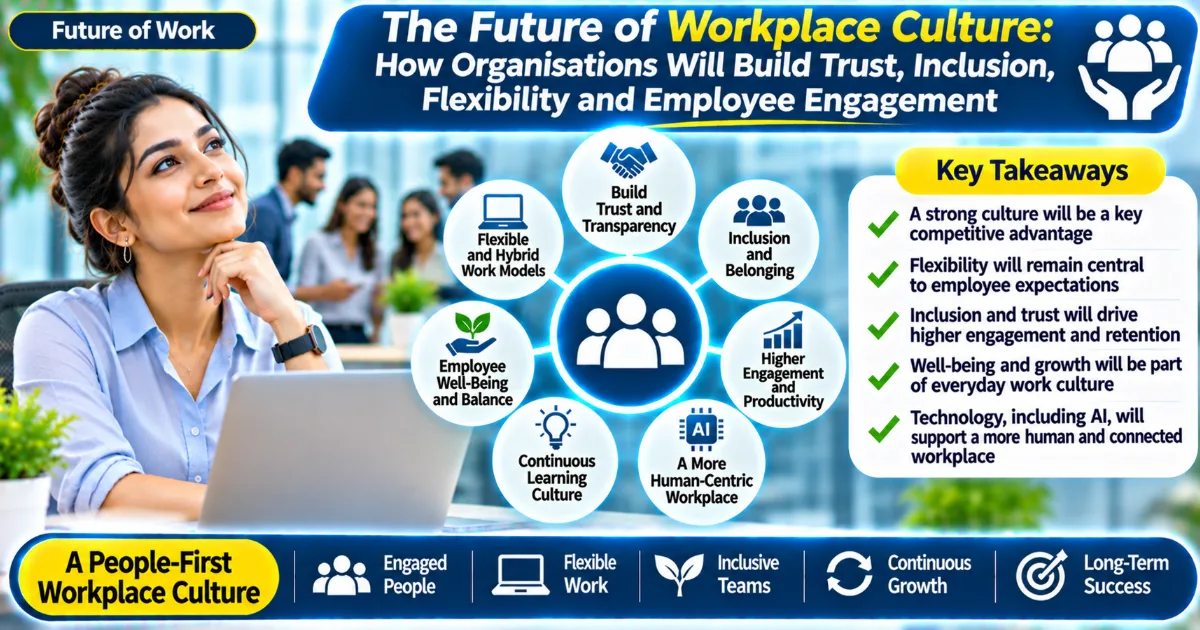
The future workplace will likely combine AI-supported operations, hybrid working, digital collaboration, flexible career paths, and continuous professional development. These changes will create new opportunities as well as new responsibilities.
Organisations may use technology to identify workload patterns, improve workforce planning, and provide more personalised learning. However, such systems will need clear privacy protections and appropriate human oversight.
Flexible work arrangements may become more varied, with employees working through different combinations of office, remote, and location-based responsibilities. Managers will need to ensure that flexibility does not create unequal opportunities or permanent digital availability.
Workplace well-being may also become more closely connected to business sustainability. Companies will increasingly need to consider whether their working practices allow employees to remain productive over the long term.
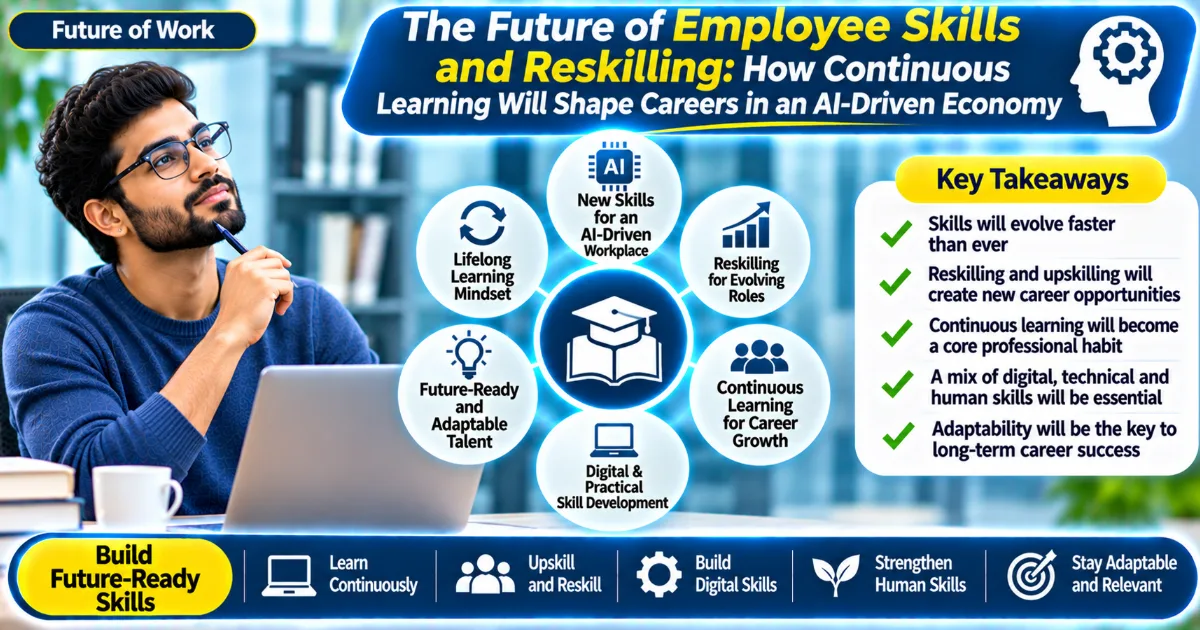
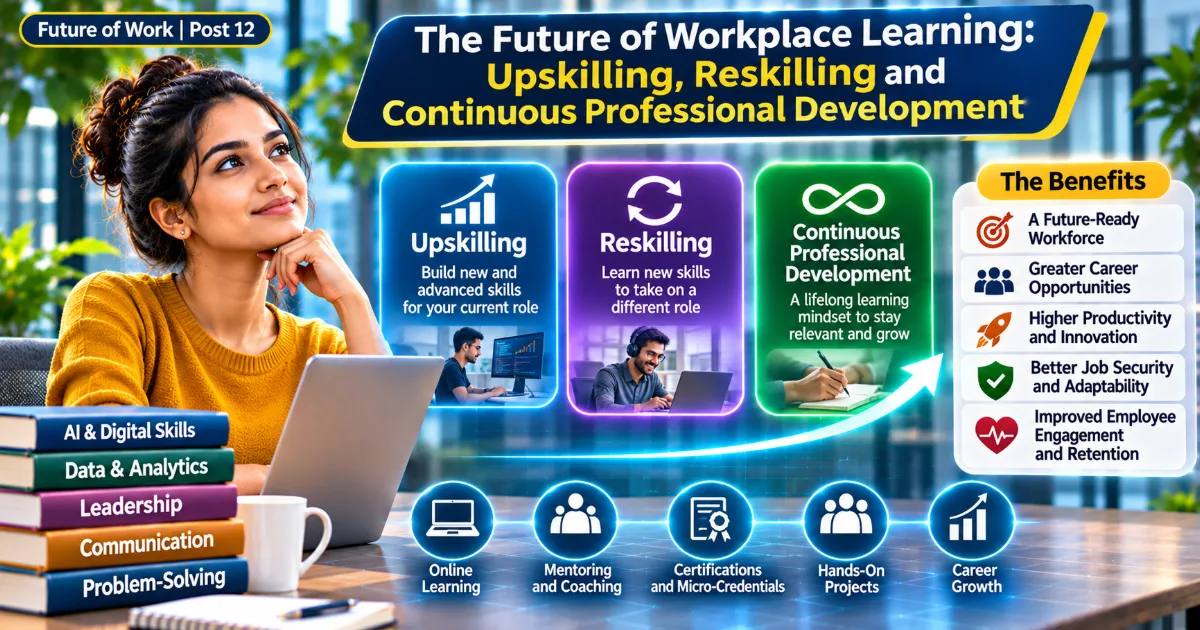
Professional development will play an important role. Employees who can learn new skills and adapt to changing responsibilities may feel better prepared for technological and organisational change. Employers will need to provide realistic opportunities for that learning.
The most important development, however, may be a broader understanding of productivity. Organisations will need to recognise that sustainable performance depends on people having the time, resources, support, and working conditions required to do their jobs effectively.
Conclusion: A Sustainable Workplace Starts with People
The future of work will be shaped by technology, new business models, flexible working arrangements, and changing employee expectations. Yet organisations will continue to depend on people to make decisions, build relationships, solve problems, serve customers, and create new ideas.
Employee well-being is therefore not separate from business success. It is connected to productivity, retention, collaboration, customer experience, and organisational resilience.
A healthy workplace is not one where employees never experience pressure or professional challenges. It is one where expectations are realistic, responsibilities are clear, people are treated fairly, and appropriate support is available when difficulties arise.
Employers must look beyond occasional wellness activities and address the working conditions that influence employee experience. Leaders need to communicate clearly, manage workloads responsibly, recognise contributions, and create opportunities for professional growth.
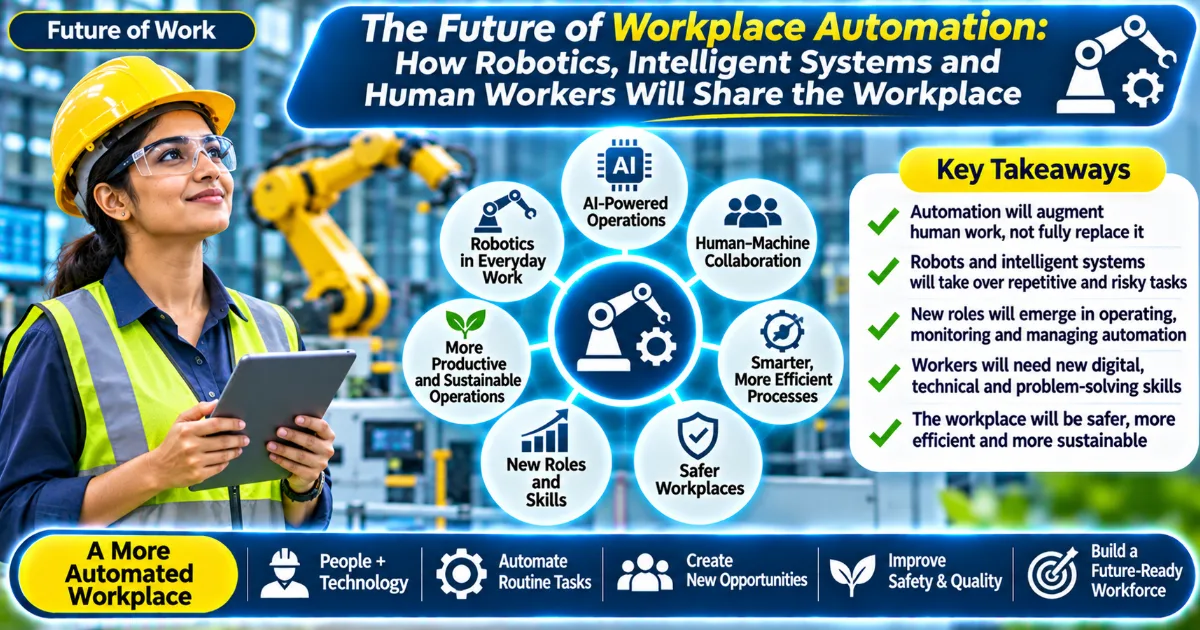
As artificial intelligence and automation change the nature of work, organisations should use technology to improve the employee experience rather than simply increase expectations. They should make room for learning, protect reasonable boundaries, and recognise the importance of human relationships.
Ultimately, sustainable businesses are built by people who have the opportunity to contribute effectively over time. Investing in employee well-being is an investment in the strength, adaptability, and future of the organisation.
#FutureOfWork #EmployeeWellBeing #MentalHealthAtWork #WorkplaceWellness #HealthyWorkplace