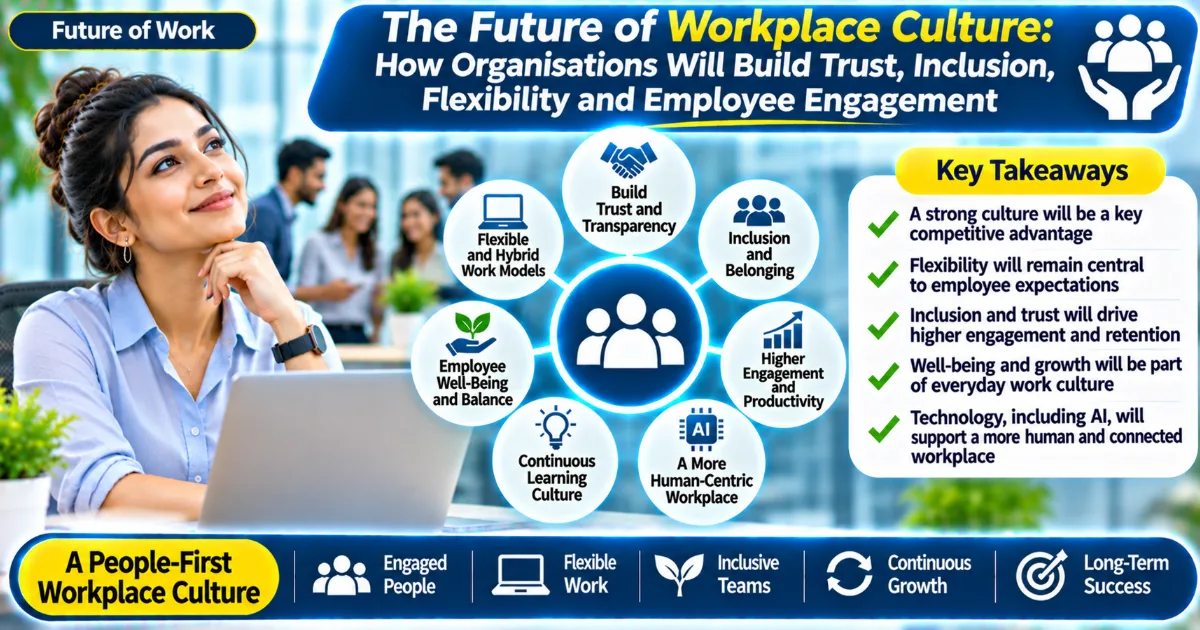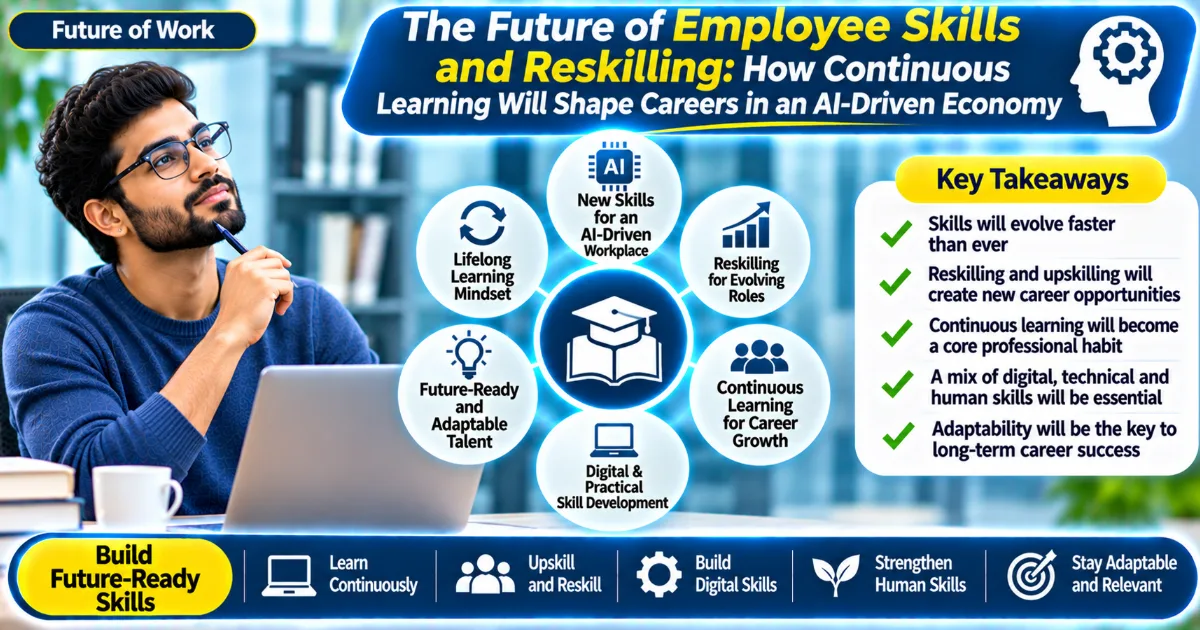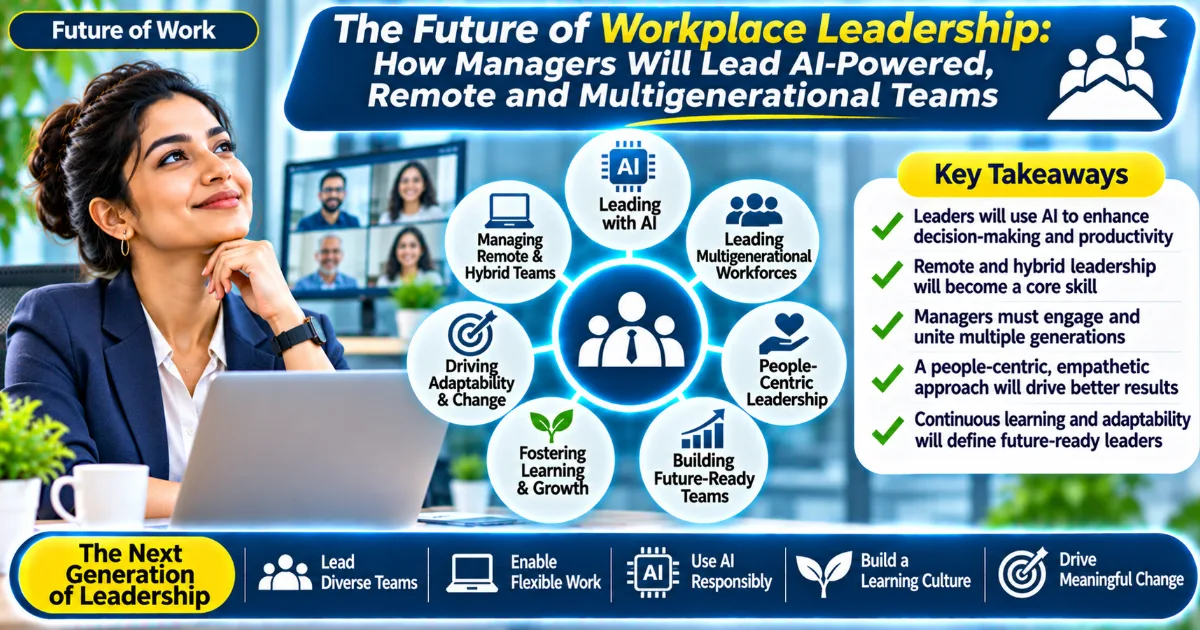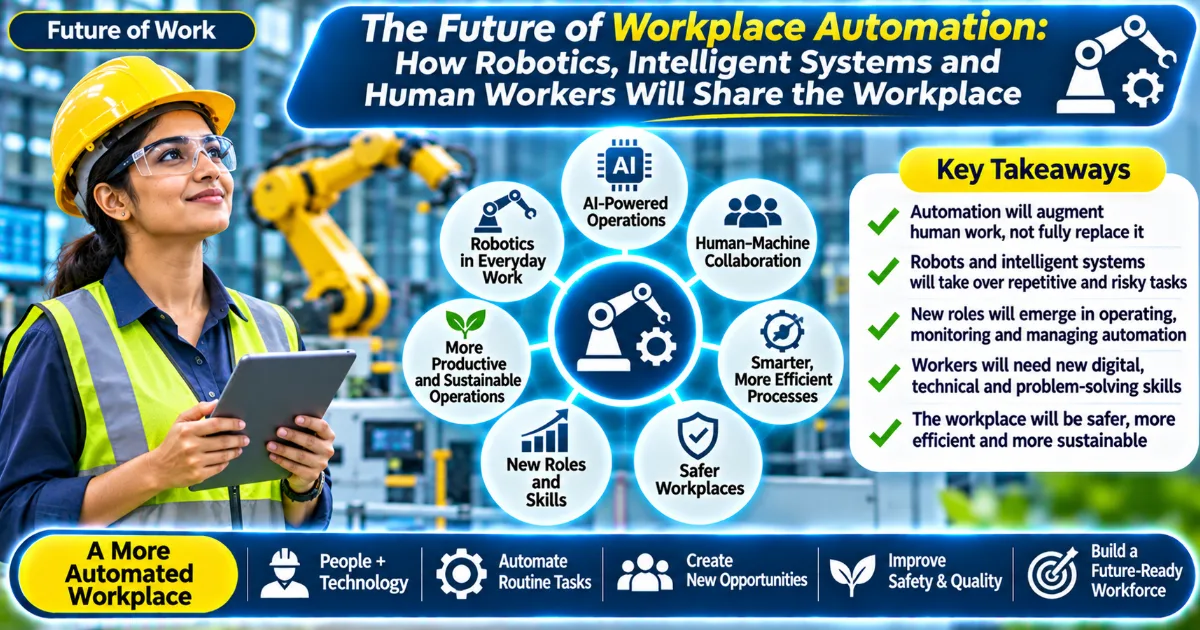
The future of work will not be shaped by technology, automation and artificial intelligence alone. It will also depend on how organisations understand, value and support the people who make their businesses function. As workplaces become more connected, international and diverse, the ability to bring together individuals with different experiences, perspectives, skills and backgrounds is becoming increasingly important. This is where workplace diversity, equity and inclusion play a significant role.
For many years, diversity and inclusion were often discussed as part of corporate social responsibility or human resource policies. Organisations introduced awareness programmes, celebrated cultural events and published statements about equal opportunity. While these initiatives helped bring attention to important issues, they did not always result in meaningful changes to everyday workplace experiences. Employees could work in organisations that publicly supported diversity while still facing unequal access to opportunities, biased recruitment decisions, limited career progression or a lack of representation in leadership.
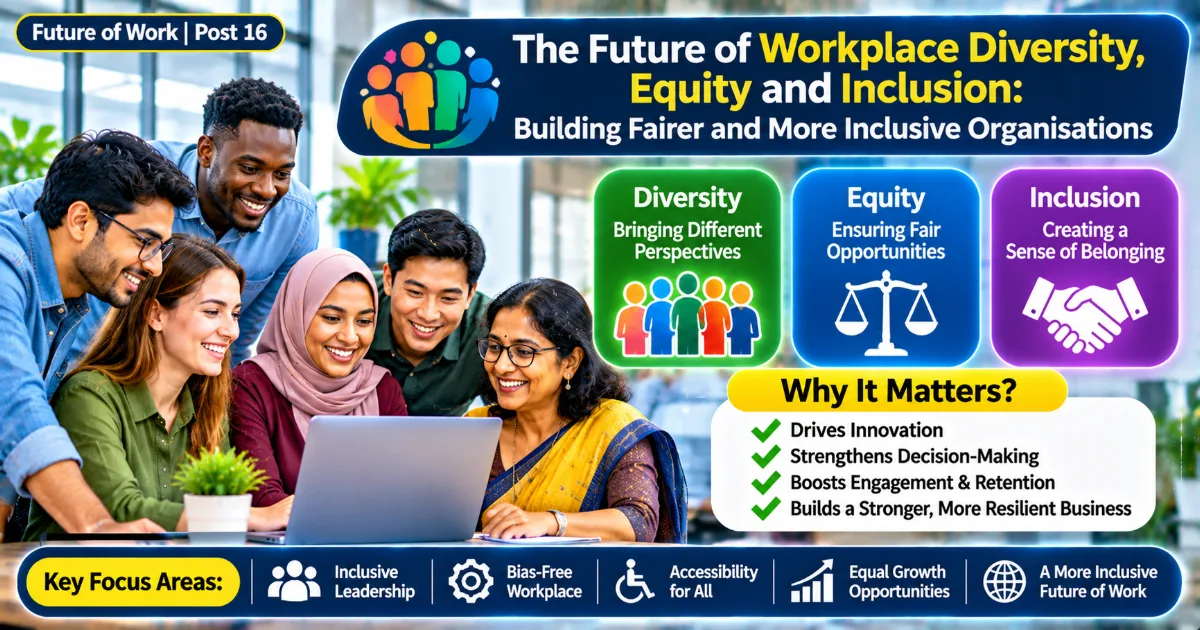
The future requires a more practical and accountable approach. Diversity means recognising the different identities, backgrounds, experiences and perspectives people bring to an organisation. Equity means identifying and addressing barriers that prevent people from accessing fair opportunities. Inclusion means creating an environment where individuals feel respected, heard, supported and able to contribute meaningfully.
These three ideas are connected, but they are not interchangeable. A company may recruit people from different backgrounds and achieve a diverse workforce without ensuring that everyone receives fair opportunities. It may introduce equal policies but fail to create a culture in which employees feel comfortable expressing different opinions. Sustainable progress requires organisations to consider diversity, equity and inclusion together.
As businesses prepare for changing workforce expectations, they must look beyond statements and temporary campaigns. They need fair systems, responsible leadership, accessible workplaces, transparent career opportunities and cultures that value people. Organisations that make these principles part of their daily operations can create stronger employee experiences while improving their ability to understand customers, solve problems and respond to change.
Continue Reading
Understanding Diversity, Equity and Inclusion in the Workplace
Diversity, equity and inclusion are often grouped together under the abbreviation DEI. Although the terms are closely related, each addresses a different part of the workplace experience.
Diversity refers to the presence of differences within a workforce. These differences may include age, gender, disability, ethnicity, nationality, language, educational background, professional experience, socioeconomic circumstances, family responsibilities and ways of thinking. Diversity can also include differences in personality, working styles, knowledge and problem-solving approaches.
A diverse workforce brings together people who may approach the same challenge from different perspectives. An employee with experience in customer service may identify practical customer concerns that a technical team has overlooked. A professional who has worked in several industries may recognise a business opportunity that is not immediately obvious to colleagues with more specialised experience. Different perspectives can help organisations question assumptions and consider alternative solutions.
Equity focuses on fairness in access, treatment, opportunity and outcomes. It recognises that employees may face different barriers and that identical treatment does not always produce fair results. For example, providing the same physical workplace facilities to every employee may not create equal access if some employees require accessible entrances, assistive technology or adapted equipment.
Equity involves identifying barriers and designing reasonable measures to address them. This may include reviewing recruitment requirements, making workplace technology accessible, providing appropriate accommodations and ensuring that promotion processes are transparent.
Inclusion is about the quality of the environment in which employees work. It asks whether people feel respected, whether their contributions are taken seriously and whether they can participate without unnecessary barriers. An inclusive workplace allows employees to express ideas, ask questions, raise concerns and disagree professionally without fear of humiliation or retaliation.
A company can have diversity without inclusion, and it can have policies designed to support equity without implementing them effectively. The real objective is to build an organisation where differences are respected, opportunities are fair and people can contribute to their full potential.
Why Workplace Diversity Is Becoming More Important
The modern business environment is increasingly interconnected. Organisations serve customers across different regions, work with international partners and recruit professionals from a wider range of educational and professional backgrounds. As markets become more complex, businesses need employees who can understand different perspectives and respond to varied customer expectations.
Workplace diversity can help organisations develop a broader understanding of the markets they serve. A team with different regional, cultural and professional experiences may identify customer requirements that a more homogeneous team could overlook. This can be particularly valuable for companies developing products for international markets or serving customers with different languages, preferences and accessibility needs.
Diversity can also improve the range of ideas considered during problem-solving. When employees approach challenges from different perspectives, teams may identify alternative solutions and examine assumptions more carefully. However, diversity alone does not guarantee innovation. Employees must feel comfortable contributing their ideas, and managers must create processes that encourage constructive discussion.
Another important factor is the changing composition of the workforce. Different generations are working alongside one another, each bringing varied experiences, career expectations and approaches to professional development. Organisations must understand these differences without relying on stereotypes about age or generation.
The future workplace will also include more professionals working across borders, remote locations and flexible arrangements. Employers that understand cultural differences and create inclusive communication practices will be better equipped to manage distributed teams.
Diversity is therefore not simply a representation target. It is part of building an organisation that can understand people, respond to complexity and adapt to changing business conditions.
Equity Means Creating Fair Opportunities, Not Just Equal Rules
One of the most important developments in future workplace management will be a stronger focus on equity. Many organisations have policies that appear equal on paper, but employees may experience them differently because of circumstances that are not equally distributed.
Consider a recruitment process that requires every candidate to complete an assessment within a fixed time using a particular digital interface. The process may be identical for everyone, but it could create unnecessary barriers for candidates who use assistive technology or require a reasonable adjustment. A fair process should assess relevant skills while allowing appropriate accessibility arrangements.
Similarly, an organisation may advertise internal development opportunities to all employees but make participation possible only outside normal working hours. Employees with caregiving responsibilities or other commitments may find it difficult to participate. The opportunity is technically available to everyone, but access is not equally practical.
Equity requires organisations to examine how policies operate in real situations. This includes reviewing recruitment criteria, performance evaluation, salary progression, training access, promotion decisions and workplace facilities.
Fairness does not mean removing professional standards or guaranteeing identical outcomes. It means ensuring that employees are assessed through relevant and transparent criteria and are not disadvantaged by barriers unrelated to their ability to perform the role.
Organisations should also examine whether traditional requirements are genuinely necessary. For example, a job description may demand a particular degree even when equivalent professional experience would demonstrate the required capability. Revising such requirements may expand access to qualified candidates without reducing the quality of recruitment.
Equity becomes meaningful when organisations regularly review their systems and make changes where unnecessary barriers are identified.
Inclusion: Creating a Workplace Where People Belong
Employees need more than a job title and salary to feel connected to an organisation. They also need to believe that their contributions matter and that they can participate without hiding important parts of themselves or constantly proving that they deserve to be present.
An inclusive workplace is reflected in everyday interactions. It can be seen in how managers conduct meetings, how colleagues respond to different opinions, how teams share information and how organisations handle complaints.
For example, a meeting may appear open to everyone, but only a small group of senior employees may dominate the discussion. Colleagues who are less confident speaking in large groups may struggle to contribute. An inclusive manager can improve participation by sharing agendas in advance, inviting input from different team members and providing alternative ways to submit ideas.
Language is another important factor. Employees come from different linguistic and cultural backgrounds, and workplace communication should avoid unnecessary complexity, stereotypes or expressions that make people feel excluded. Clear communication helps everyone understand expectations and participate more effectively.
Inclusion also means respecting different working styles. Some employees may prefer to discuss ideas verbally, while others may need time to consider information before responding. Some may communicate more effectively through written updates. A flexible communication culture can help teams benefit from these differences.
Psychological safety is an important part of inclusion. Employees should be able to ask questions, acknowledge mistakes, raise concerns and challenge ideas respectfully. This does not mean avoiding accountability or allowing unacceptable behaviour. It means creating conditions where honest communication is possible without unnecessary fear.
An inclusive culture is built through consistent behaviour, not occasional announcements. Employees judge an organisation by what happens during ordinary working days, especially when disagreements, mistakes or difficult decisions occur.
The Business Benefits of Diversity, Equity and Inclusion
A well-designed DEI strategy can contribute to several organisational objectives. Its value should not be measured only through public reputation or recruitment statistics. It can influence how teams collaborate, how decisions are made and how effectively businesses respond to customer needs.
One potential benefit is improved problem-solving. Teams with different experiences may identify risks and opportunities that would otherwise remain unnoticed. When different viewpoints are welcomed, organisations can examine a wider range of possible solutions before making important decisions.
Another benefit is stronger customer understanding. Businesses serve people with different needs, expectations and circumstances. Employees who understand varied customer experiences may help organisations identify communication gaps, product limitations and service improvements.
DEI can also contribute to employee engagement. When employees believe that they are treated fairly and have meaningful opportunities to develop, they may feel more connected to their work. A workplace where people experience repeated exclusion or unequal treatment can damage trust and increase the likelihood that talented employees will leave.
Recruitment can benefit as well. Organisations that remove unnecessary barriers may reach a wider talent pool and identify candidates whose capabilities are overlooked by traditional hiring methods. This is particularly relevant in industries experiencing skill shortages.
However, businesses should avoid treating diversity as an automatic guarantee of higher performance. The results depend on management quality, organisational culture, role clarity and the ability to translate different perspectives into productive collaboration. Diversity creates potential, while inclusion and effective leadership help teams realise that potential.
Building Fair and Inclusive Recruitment Practices
Recruitment is one of the earliest points at which organisations demonstrate their commitment to fairness. If hiring processes contain unnecessary barriers, businesses may exclude capable candidates before they have an opportunity to demonstrate their abilities.
A fair recruitment strategy begins with clear job descriptions. Employers should distinguish between essential qualifications and preferences that are not necessary for successful performance. Requirements should be linked to actual responsibilities rather than copied from previous job advertisements without review.
For example, a role may require strong project management skills, but a specific educational qualification may not always be the only way to demonstrate those capabilities. Relevant experience, professional certifications and practical assessments may provide additional ways to evaluate candidates.
Structured interviews can also improve consistency. When candidates are assessed using the same relevant questions and clearly defined criteria, recruiters have a stronger basis for comparing responses. Interviewers should receive guidance on avoiding inappropriate personal questions and recognising assumptions that may influence their judgement.
Accessible recruitment processes are equally important. Application platforms should work with appropriate assistive technologies, interview arrangements should consider reasonable accommodation requests and assessment methods should evaluate job-related capabilities.
Organisations can also broaden their recruitment channels by working with educational institutions, professional associations, return-to-work programmes and organisations supporting underrepresented talent. These partnerships can help employers reach candidates who may not be connected to traditional recruitment networks.
The objective should be to identify the best-qualified person for a role through a fair and relevant process. Recruitment should focus on capability and potential rather than assumptions based on personal characteristics.
Equal Access to Career Growth and Leadership Opportunities
Recruiting a diverse workforce is only one part of building an equitable organisation. Employees must also have fair access to professional development, important assignments, leadership opportunities and career progression.
In some workplaces, career advancement depends heavily on informal relationships. Employees who have greater visibility with senior leaders may receive more opportunities, while capable colleagues working in less visible roles may be overlooked. This can create uneven access even when formal promotion policies appear fair.
Organisations should make career expectations and promotion criteria clear. Employees should understand which skills, experience and achievements are required for progression. Managers should provide regular feedback and help employees identify realistic development opportunities.
Mentoring and sponsorship programmes can also be valuable. Mentoring helps employees receive guidance, develop professional confidence and understand career options. Sponsorship involves senior professionals actively supporting an employee's access to opportunities and visibility. Both can contribute to development when designed transparently and applied fairly.
High-visibility projects should not be allocated repeatedly through informal preference. Managers can review how opportunities are distributed and ensure that employees with relevant skills have a reasonable chance to participate.
Leadership development should also be accessible to a wider range of employees. Organisations can identify potential through performance, capability and readiness rather than relying only on traditional career paths.
Fair career development does not require every employee to follow the same route. It requires transparent standards and meaningful access to the resources and opportunities needed to grow.
Gender Equality and Fair Representation
Gender equality remains an important part of workplace inclusion. Although many organisations have introduced policies to improve representation, challenges can remain in recruitment, compensation, career progression, leadership access and the distribution of caregiving responsibilities.
Employers should examine whether employees performing comparable work receive fair compensation under relevant legal and professional standards. Compensation reviews can help identify unexplained differences that require further investigation.
Promotion processes should also be reviewed. Organisations need to understand whether employees have equal access to important assignments, leadership development and career progression. Performance criteria should be clear, relevant and consistently applied.
Family-related policies can influence gender equality as well. Where caregiving responsibilities are treated as primarily one person's responsibility, employees may experience unequal pressure on their careers. Fair parental leave policies, flexible arrangements and supportive return-to-work programmes can help reduce these barriers.
Leadership representation is another area for attention. Organisations should examine whether their development and succession planning processes provide fair opportunities to employees across the workforce. Representation should be built through credible career pathways rather than symbolic appointments.
Gender equality is not achieved through recruitment numbers alone. It requires fair treatment throughout the employee lifecycle, from hiring and compensation to development, leadership and retention.
Disability Inclusion and Accessible Workplaces
A truly inclusive workplace must consider the needs of employees with disabilities and ensure that workplace systems do not create avoidable barriers.
Accessibility includes physical environments, digital platforms, communication formats and workplace processes. An office may require accessible entrances, appropriate seating, clear signage and suitable facilities. Digital workplaces may need compatibility with screen readers, captions, keyboard navigation and other assistive technologies.
Reasonable accommodations can help employees perform their responsibilities effectively. Depending on the role and applicable law, these may include adapted equipment, modified communication methods, flexible arrangements, accessible software or adjustments to certain workplace procedures.
Employers should avoid making assumptions about what a person can or cannot do based on a disability. The appropriate approach is to understand the actual requirements of the role and discuss relevant accommodations respectfully with the employee.
Accessibility should also be considered when organisations purchase new technology. If digital tools are not accessible, employees may face barriers in recruitment, training, collaboration and performance management. Reviewing accessibility before adopting systems can prevent problems later.
Disability inclusion benefits the wider workplace as well. Accessible communication, flexible systems and thoughtful workplace design can improve usability for many employees, not only those who request specific accommodations.
Cultural Diversity and Global Collaboration
As organisations expand across regions, cultural diversity becomes an increasingly important part of workplace management. Employees may have different languages, communication styles, social expectations and approaches to collaboration.
Cultural differences should not be reduced to stereotypes. Individuals from the same country or cultural background may have very different preferences and personalities. Organisations should create opportunities for people to understand one another rather than assuming that every employee behaves according to a particular cultural pattern.
Global teams may face practical challenges involving time zones, holidays, communication expectations and decision-making styles. For example, a meeting scheduled during one region's normal working hours may repeatedly inconvenience colleagues in another location. Rotating meeting times or using asynchronous communication can distribute these responsibilities more fairly.
Language accessibility also matters. Employees who communicate in a second or third language may need additional time to process complex discussions. Clear written summaries, shared documentation and straightforward meeting practices can improve participation.
Organisations can support cultural understanding through cross-cultural collaboration training, international project teams and opportunities for employees to share relevant experiences. These activities should encourage mutual respect rather than asking individuals to represent or explain an entire culture.
A culturally inclusive workplace recognises differences while maintaining common standards of professional behaviour, accountability and respect.
Age Diversity and Intergenerational Collaboration
Modern organisations increasingly include employees at different career stages. Younger professionals may bring familiarity with emerging digital tools, new learning expectations and different approaches to career mobility. Experienced employees may contribute institutional knowledge, industry understanding, professional judgement and long-term customer relationships.
Businesses should avoid making assumptions about capability based on age. Digital skills, adaptability, leadership potential and learning ability vary between individuals. A person's age should not be used as a substitute for evaluating their actual skills and experience.
Intergenerational mentoring can create value in both directions. Experienced professionals can share industry knowledge and help younger employees understand organisational processes. Younger colleagues may introduce new digital approaches, emerging tools or alternative ways of working. Such exchanges can strengthen collaboration when both groups are treated as contributors.
Training programmes should also be accessible across career stages. Organisations should not assume that older employees are unwilling to learn new technology or that younger employees do not need professional guidance.
An inclusive approach recognises that employees can contribute at different stages of their working lives. It also supports career transitions, reskilling and continued professional development.
The Role of Inclusive Leadership
Policies and programmes cannot create an inclusive workplace without leadership commitment. Managers influence recruitment decisions, performance assessments, work allocation, communication and the everyday treatment of employees.
Inclusive leaders actively listen to different viewpoints and ensure that decisions are based on relevant information. They recognise that their own experiences may not represent the experiences of every employee. They are willing to examine assumptions and accept constructive feedback.
One important responsibility is ensuring that all employees have opportunities to contribute. Leaders should notice when certain voices repeatedly dominate discussions or when particular team members are consistently overlooked. They can use structured meeting practices, written feedback channels and fair project allocation to improve participation.
Inclusive leadership also requires accountability. Managers should understand the organisation's policies, respond appropriately to complaints and address unacceptable behaviour. Ignoring repeated exclusion or discriminatory conduct can undermine trust even when formal policies are strong.
Leadership development programmes should include practical guidance on fair decision-making, respectful communication, conflict management, accessibility and performance evaluation. Training should be reinforced through management expectations and regular review.
Senior leaders must also demonstrate consistency. If an organisation publicly promotes fairness but rewards managers who disregard inclusive practices, employees will recognise the contradiction. Leadership behaviour is one of the strongest signals of what an organisation genuinely values.
Artificial Intelligence and the Future of Workplace Fairness
Artificial intelligence is increasingly influencing recruitment, performance management, workforce planning and employee services. These systems may help organisations process information more efficiently, but they can also create new risks for workplace equity.
AI systems learn patterns from data. If historical information reflects unequal access or biased decisions, an automated system may reproduce those patterns. A recruitment tool trained on previous hiring decisions, for example, could favour characteristics associated with past selections rather than identifying the capabilities genuinely required for a role.
Automated performance systems may also create problems if they rely on incomplete measures. Employees performing complex work, supporting colleagues or managing unusual responsibilities may not be accurately represented by simple productivity indicators.
Organisations should therefore evaluate AI tools before using them in decisions that affect employment. This includes examining the quality and relevance of training data, testing outcomes across different groups where legally appropriate, documenting limitations and providing human oversight.
Employees should understand when automated systems are involved in important workplace decisions. There should be appropriate ways to request clarification, challenge inaccurate information and seek human review.
AI can also support inclusion when designed responsibly. It may help generate captions, improve accessibility, translate information and simplify administrative tasks. These applications can reduce barriers for employees, provided that their accuracy and privacy implications are carefully considered.
The future of fair workplaces will depend partly on how organisations govern their technology. Efficiency should not come at the expense of fairness, transparency or human judgement.
Measuring Diversity, Equity and Inclusion Progress
Organisations need to evaluate whether their DEI initiatives are producing meaningful improvements. Without measurement, businesses may continue investing in activities that create visibility but do not address the barriers employees experience.
Representation data can provide an initial picture of workforce composition, subject to applicable privacy and data protection requirements. Organisations may examine representation across different levels, departments and job categories to understand where imbalances exist.
However, representation alone does not explain whether employees experience fair treatment. Businesses should also review recruitment outcomes, promotion patterns, access to training, employee turnover and compensation practices.
Employee feedback is particularly important. Confidential surveys and structured discussions can help organisations understand whether people feel respected, whether they can raise concerns and whether opportunities are distributed fairly. Feedback mechanisms should protect confidentiality and should not pressure employees to disclose personal information.
Organisations can establish measurable objectives such as improving accessibility, reviewing recruitment processes, increasing participation in leadership development or reducing unexplained differences in career progression. These objectives should be realistic, connected to identified needs and reviewed regularly.
Data must be interpreted carefully. Differences in workforce outcomes may have multiple explanations, and organisations should avoid drawing conclusions without examining relevant context. Where sensitive personal data is involved, collection and analysis should comply with local law and appropriate ethical standards.
The purpose of measurement is not to turn inclusion into a competition between departments. It is to identify problems, guide improvement and establish accountability.
Common Mistakes Organisations Must Avoid
One common mistake is treating DEI as a communication campaign rather than an organisational responsibility. Celebrating diversity through posters, events and social media can raise awareness, but it cannot replace fair recruitment, transparent promotion and respectful management.
Another mistake is relying entirely on one-time training. Awareness programmes can introduce important concepts, but their impact may be limited if workplace systems and management behaviour remain unchanged. Training should be supported by practical policies, ongoing learning and accountability.
Organisations should also avoid tokenism. Employees should not be recruited or promoted simply to improve the appearance of diversity. Every individual deserves to be evaluated through relevant capabilities and supported as a full member of the workforce.
A further mistake is assuming that all employees from a particular group have the same experiences or preferences. Diversity initiatives should recognise individual differences rather than creating new stereotypes.
Poor communication can also undermine good intentions. If employees do not understand the purpose of a policy, how it operates or where to raise concerns, they may view it as symbolic or confusing.
Finally, organisations should not make promises they cannot support. A credible DEI strategy requires realistic commitments, sufficient resources and honest reporting. Trust is damaged when businesses publish ambitious statements but fail to address the concerns employees raise.
How Businesses Can Build a Practical DEI Strategy
A successful DEI strategy should begin with an honest assessment of the organisation's current position. Leaders should examine existing policies, workforce experiences, recruitment practices, accessibility arrangements and career development systems. The assessment should identify actual barriers rather than assuming that every organisation faces the same challenges.
The next step is to establish clear priorities. A company may need to improve recruitment accessibility, review promotion criteria, strengthen leadership accountability or create better reporting mechanisms. Trying to address every issue simultaneously can spread resources too thinly.
Responsibilities should be clearly assigned. HR teams may coordinate policy development and measurement, but managers and senior leaders must also be accountable for implementation. Employees should know who is responsible for handling concerns and where they can obtain support.
Organisations should involve employees in the process. Feedback from different departments and career levels can help identify practical issues that leadership may not see. Participation should be voluntary and should not place the responsibility for solving organisational problems on employees who experience exclusion.
Policies should then be translated into everyday practices. This may include structured interviews, accessible digital tools, transparent promotion criteria, inclusive meeting guidelines and manager training.
Finally, the organisation should review progress and adjust its approach. DEI is not a project with a final completion date. Workforce needs, technology, regulations and business conditions continue to change. Sustainable improvement requires regular attention.
The Future of DEI in India
India's workforce reflects significant diversity in language, region, education, economic circumstances, professional experience and access to opportunities. Businesses operating in the country must understand that workplace inclusion requires more than adopting policies designed for other markets.
Organisations may need to consider regional language differences, accessibility, gender representation, educational access, career interruptions and the needs of employees working in different locations. A recruitment strategy that depends exclusively on a narrow group of institutions, for example, may overlook qualified candidates from other educational backgrounds.
Technology companies and global service providers may face particular challenges when managing international teams. They need inclusive communication practices, fair access to development opportunities and consistent standards across different locations.
Manufacturing, retail, logistics and frontline industries may have different priorities. These can include safe working conditions, accessible facilities, fair scheduling, appropriate workplace equipment and clear mechanisms for reporting concerns.
Employers should also understand the legal environment. Workplace equality, disability rights, prevention of harassment, labour protections and data privacy are governed by applicable laws and regulations. Organisations should obtain qualified legal guidance when developing or revising policies.
Indian businesses of different sizes can make progress through practical steps. Transparent hiring, respectful management, accessible workplaces, fair performance evaluation and equal access to learning can create meaningful improvements without requiring every organisation to adopt the same programme.
The future of workplace inclusion in India will depend on recognising the country's diversity while ensuring that professional opportunities are based on relevant skills, fair processes and respectful treatment.
Conclusion: Building Organisations Where Everyone Can Contribute
The future of workplace diversity, equity and inclusion will be defined by the difference between what organisations say and what employees actually experience. Public commitments may establish an intention, but meaningful progress requires changes to recruitment, career development, leadership behaviour, technology, workplace accessibility and everyday communication.
Diversity brings different perspectives and experiences into an organisation. Equity helps identify and remove unnecessary barriers to opportunity. Inclusion ensures that employees are respected and able to participate meaningfully. Together, these principles can help businesses create stronger teams and more adaptable workplaces.
The responsibility does not belong to HR departments alone. Senior leaders must establish clear expectations, managers must apply fair practices and employees must contribute to a culture of mutual respect. Technology providers and business partners also have a role in ensuring that the systems organisations use do not create avoidable barriers.
Businesses should approach DEI with honesty and consistency. They should measure meaningful progress, listen to employee experiences and be prepared to change policies that do not work. They should also recognise that inclusion is not achieved through a single training session or annual event. It develops through repeated decisions and everyday behaviour.
As the future of work continues to evolve, organisations that respect differences, create fair opportunities and support meaningful participation will be better prepared to attract talent, understand customers and respond to change. A fairer workplace is not only a better environment for employees. It is also an important foundation for building responsible, resilient and sustainable organisations.
What Comes Next in the Future of Work Series?
In Post 17, we will explore The Future of Leadership: Managing Human Talent in an AI-Driven and Changing Workplace, examining how leaders must adapt their management styles, decision-making, communication and people strategies as technology and employee expectations transform the workplace.
#FutureOfWork #WorkplaceDiversity #EquityAndInclusion #InclusiveLeadership #WorkplaceCulture