Workplace productivity has always been an important measure of organisational success. Businesses want employees to complete tasks efficiently, deliver high-quality results, serve customers effectively and contribute to sustainable growth. For many years, productivity was commonly associated with the amount of work completed within a particular period. Organisations measured working hours, output volumes, sales figures, production targets and task completion rates to understand how effectively their resources were being used.
However, the nature of work is changing. Artificial intelligence, automation, cloud computing, digital collaboration platforms and advanced analytics are transforming how employees complete their responsibilities. Tasks that once required hours of manual effort can increasingly be supported by intelligent systems. Employees can collaborate across geographical boundaries, access information instantly and use digital tools to organise complex projects.
These developments are changing the meaning of workplace productivity. Completing more tasks does not necessarily mean producing better results. Employees may spend an entire day responding to messages and attending meetings without making meaningful progress on important objectives. Similarly, an organisation may automate several processes but fail to improve customer satisfaction, product quality or employee experience.
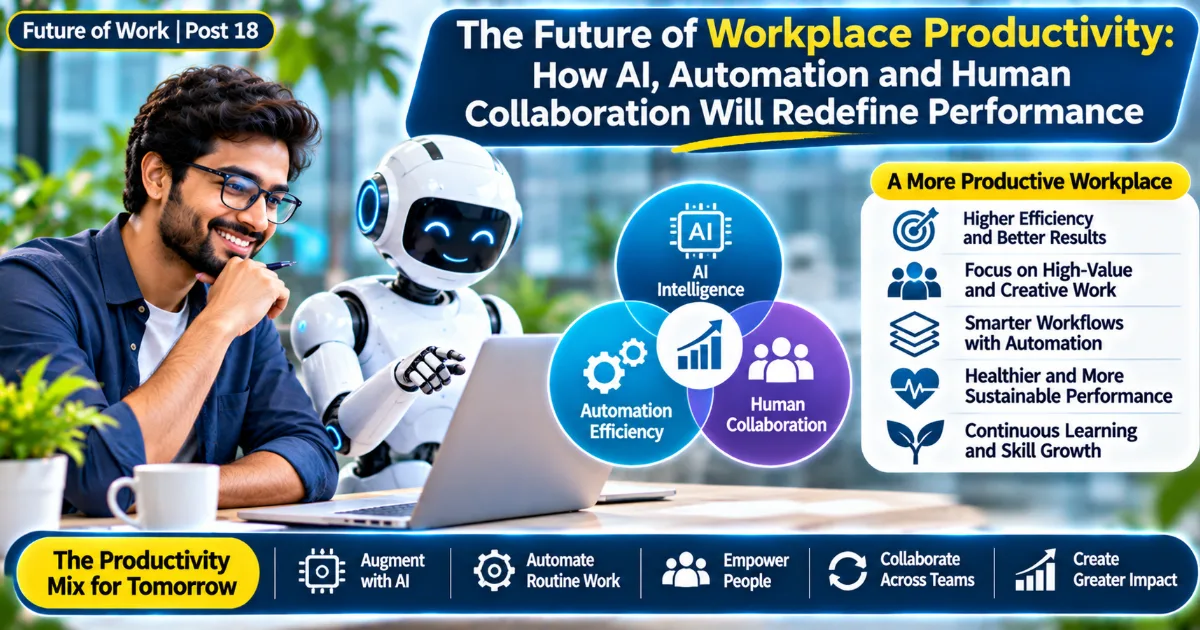
The future of productivity will therefore depend on how effectively organisations combine technology with human capabilities. Artificial intelligence can support information processing, automation can reduce repetitive activities and digital systems can improve coordination. However, creativity, judgement, communication, empathy and problem-solving remain essential to achieving meaningful outcomes.
The next generation of productive workplaces will not simply expect employees to work faster. They will redesign processes, remove unnecessary activities, provide appropriate tools and create environments where people can concentrate on work that delivers genuine value. Productivity will increasingly be measured through quality, impact, innovation and sustainable performance rather than activity alone.
Continue Reading
Why Traditional Productivity Models Are Changing
Traditional productivity measurement developed around relatively predictable working environments. In manufacturing, output could often be measured through units produced, production time and resource utilisation. In administrative environments, managers frequently evaluated productivity through completed assignments, attendance and working hours.
These measures can still be useful in specific contexts, but they do not fully represent the complexity of modern professional work. Many employees now perform responsibilities that involve research, analysis, communication, design, strategy, customer relationships and creative problem-solving. The value of these activities cannot always be measured by counting completed tasks.
For example, a software developer may spend several hours investigating a difficult technical problem before identifying a solution that prevents a major system failure. A marketing professional may spend time understanding customer behaviour before designing a campaign that improves conversion rates. A manager may resolve a communication problem that prevents weeks of unnecessary project delays.
In each situation, the value created may be much greater than the number of tasks completed during the day.
Digital communication has also introduced new productivity challenges. Employees receive messages through multiple channels, attend frequent meetings and respond to notifications throughout the day. Although these tools improve connectivity, they can fragment attention and reduce the time available for focused work.
Traditional productivity models often reward visible activity rather than meaningful contribution. Future organisations will need to distinguish between being busy and being effective.
This requires a broader understanding of performance that considers the quality of work, customer outcomes, collaboration, innovation, reliability and the long-term value created by employees.
Artificial Intelligence Will Transform Everyday Productivity
Artificial intelligence is becoming an important productivity tool across industries. AI-powered systems can support research, summarise information, generate drafts, analyse data, assist with software development and automate parts of customer communication.
These capabilities can reduce the time employees spend on repetitive information-processing activities. For example, an employee preparing a business report may use an AI assistant to organise information, identify themes and create an initial structure. The employee can then verify the information, apply professional judgement and develop the final recommendations.
In customer service, AI tools may help classify enquiries, suggest responses and identify common customer concerns. Human employees can concentrate on complex situations that require negotiation, empathy or specialised knowledge.
In software development, AI assistants can support code generation, documentation and debugging. Developers can use the additional time to focus on architecture, security, testing and understanding user requirements.
However, AI does not automatically produce better work. Generated information may contain errors, incomplete explanations or misleading conclusions. Employees must verify important outputs, especially when decisions involve financial, legal, technical or customer consequences.
Organisations also need clear policies regarding confidential information, intellectual property and approved AI tools. Employees should understand which information can be shared with external systems and how generated content must be reviewed.
The most productive organisations will treat AI as a capability that strengthens human work rather than as a replacement for professional responsibility. Its value will depend on how intelligently it is integrated into existing processes.
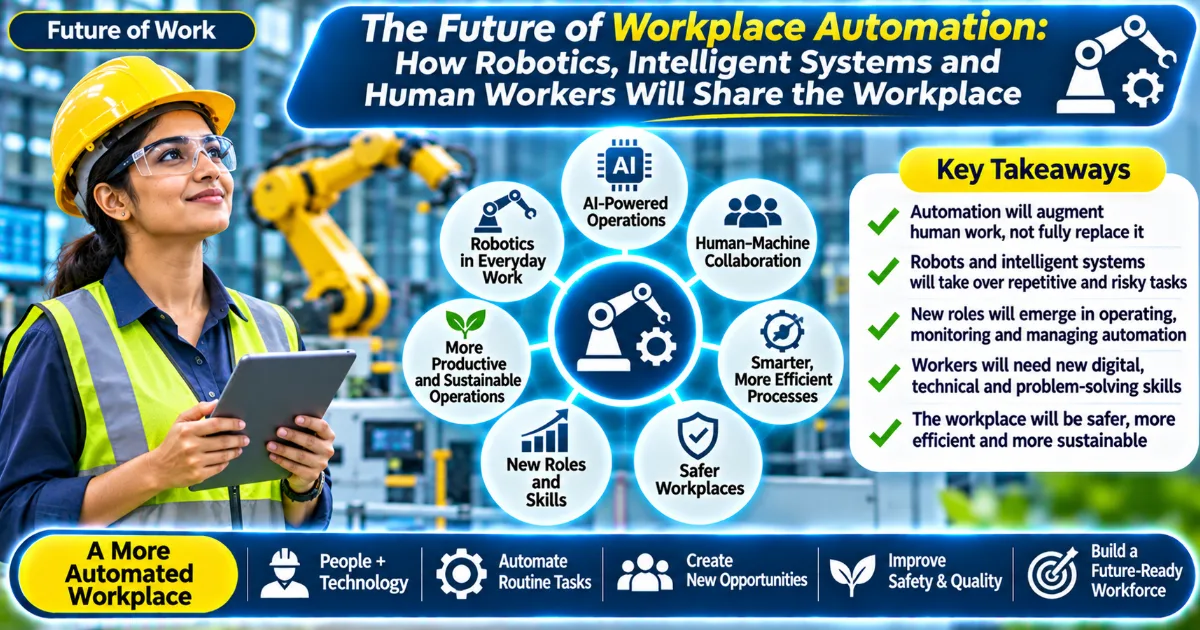
Automation Will Reduce Repetitive Work and Improve Efficiency
Automation is one of the most practical ways organisations can improve operational productivity. Many business processes involve repetitive activities that consume employee time without requiring significant human judgement.
Examples include transferring information between systems, generating routine reports, processing standard requests, updating records, sending notifications and managing predictable administrative workflows.
Automated systems can perform these activities according to predefined rules or configured workflows. This can reduce manual effort, improve consistency and lower the risk of certain routine errors.
In finance departments, automation may support invoice processing, expense categorisation and payment reminders. In HR, it may help manage onboarding documentation, leave requests and standard employee queries. In sales, automated workflows can organise leads, update customer records and remind teams about follow-up activities.
Manufacturing organisations may use industrial automation to improve production consistency, monitor equipment and support quality control. Logistics businesses may use automated systems to coordinate inventory, track shipments and optimise certain operational processes.
However, automation should begin with a clear understanding of the process being improved. Automating a poorly designed workflow may simply make an inefficient process operate faster. Organisations should first identify unnecessary steps, duplicated approvals and sources of recurring errors.
Employees who understand the process should be involved in redesigning it. They often know where delays occur and which exceptions require human attention.
Effective automation removes unnecessary effort while preserving appropriate oversight. It should make work simpler, more reliable and easier to manage.
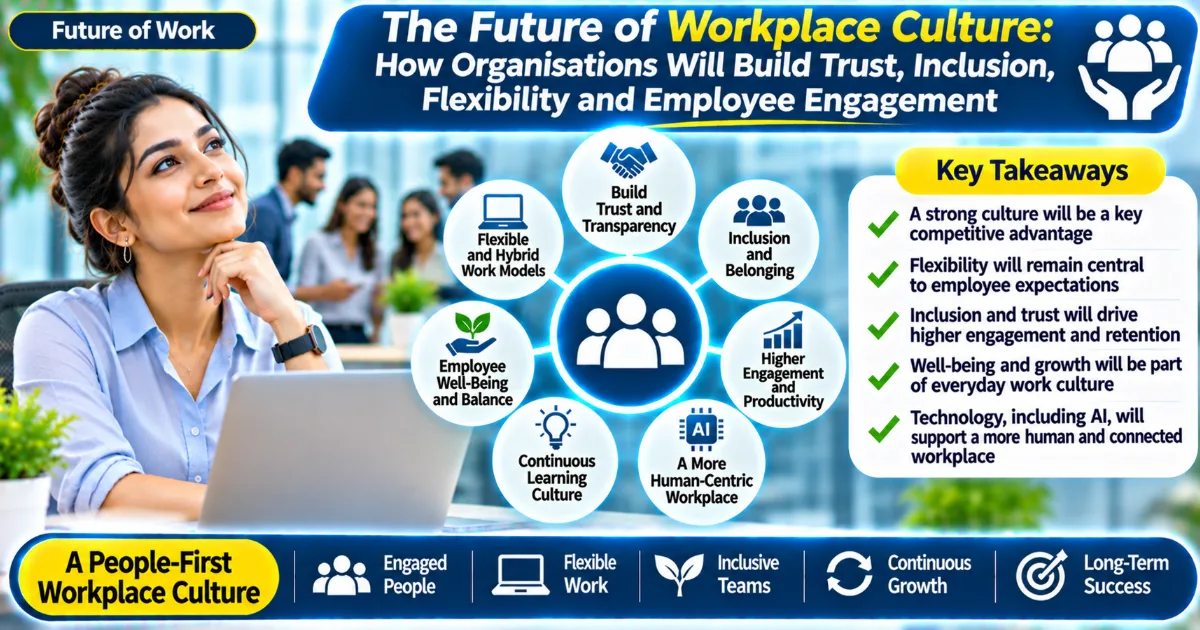
Human Collaboration Will Remain Central to Productivity
Technology can process information quickly, but organisations still depend on people working together to achieve complex objectives. Human collaboration brings together different knowledge, experiences and perspectives that may not exist within a single employee or automated system.
A product development team, for example, may include designers, engineers, researchers, marketing professionals and customer support specialists. Each person understands a different part of the product experience. Their collaboration helps identify problems that might be missed if decisions were made within separate departments.
Cross-functional collaboration is especially important when organisations introduce new technology. Technical teams may understand system capabilities, while operational employees understand how processes function in practice. Customer-facing teams may recognise user concerns that are not visible in technical performance data.
When these groups work together, organisations can make more informed decisions and reduce the risk of introducing solutions that do not address real business needs.
Collaboration also supports learning. Employees share knowledge, provide feedback and help colleagues develop new capabilities. Experienced professionals can guide newer team members, while employees with emerging technical skills can introduce alternative approaches.
However, collaboration must be structured effectively. Too many meetings, unclear responsibilities and excessive communication can reduce productivity. Teams need clear objectives, appropriate decision-making authority and shared documentation.
The future workplace will combine digital tools with purposeful human interaction. Technology will make collaboration easier, but trust, communication and professional relationships will determine how effective that collaboration becomes.
Measuring Productivity Through Outcomes Rather Than Working Hours
One of the most important changes in workplace productivity will be the movement towards outcome-based performance measurement.
Traditional management practices sometimes place considerable emphasis on attendance, time spent at a desk and visible activity. These indicators may be relevant for certain roles, but they do not reliably measure the quality or impact of professional work.
A remote employee who completes an important project successfully may create more value than someone who remains online for extended hours without achieving meaningful results. Similarly, an employee who identifies and resolves a major operational problem may contribute more than a person who completes a large number of low-value administrative tasks.
Outcome-based performance management begins with clear expectations. Employees should understand what they are responsible for, what successful delivery looks like and how their contribution supports organisational objectives.
Measures should reflect the nature of each role. A customer support team may consider resolution quality, customer satisfaction and response effectiveness. A software team may examine reliability, security, delivery quality and user outcomes. A sales team may evaluate revenue, customer retention and the quality of relationships.
Managers should avoid relying on a single numerical measure when performance is multidimensional. Productivity indicators need context and should be reviewed alongside quality, customer feedback and employee experience.
Outcome-based management does not mean ignoring effort or professional discipline. It means recognising that the purpose of work is to create value, not simply to demonstrate activity.
The Importance of Deep Work and Focused Attention
Modern workplaces are filled with interruptions. Emails, instant messages, video meetings, project notifications and urgent requests can divide an employee's attention throughout the day.
Although communication is essential, constant interruption can make complex work difficult. Employees may need uninterrupted time to analyse information, write reports, develop software, design products or solve difficult problems.
Deep work refers to sustained concentration on demanding tasks without frequent distraction. It allows employees to use their knowledge and skills more effectively, especially when work requires reasoning, creativity and attention to detail.
Organisations can support focused work by establishing meeting-free periods, encouraging appropriate notification settings and defining expectations for response times. Employees should know which communication channels require immediate attention and which can be handled later.
Managers also need to examine whether unnecessary meetings are consuming time that could be used for productive work. Meetings should have a clear purpose, relevant participants and an expected outcome.
Documentation can reduce the need for repeated discussions. When decisions, responsibilities and project updates are recorded clearly, employees can access information without requesting explanations from colleagues every time.
Protecting focused attention is not simply an individual productivity technique. It is an organisational responsibility. Businesses must design communication practices that allow employees to collaborate without creating continuous disruption.
Data Analytics Will Improve Productivity Decisions
Data analytics can help organisations understand how work is performed, where delays occur and which processes require improvement. Instead of relying entirely on assumptions, managers can examine relevant information to identify patterns and make better decisions.
For example, an organisation may analyse customer support data to understand which types of enquiries require the most time. It may discover that many requests result from unclear product instructions. Improving documentation could reduce support demand more effectively than simply asking employees to respond faster.
A manufacturing business may analyse equipment performance to identify recurring downtime. A logistics organisation may examine delivery patterns to identify inefficient routes or scheduling problems. A professional services firm may review project data to understand where approvals create unnecessary delays.
Data can also help businesses evaluate the impact of automation. Organisations can compare process completion times, error rates and service quality before and after introducing a new system.
However, productivity analytics must be used responsibly. Excessive employee monitoring can damage trust and encourage behaviour focused on improving numbers rather than creating value.
Organisations should collect information for legitimate business purposes, explain how it is used and protect employee privacy. Data should support process improvement rather than become an excuse for intrusive surveillance.
Good productivity analytics help leaders understand systems and remove obstacles. They should not reduce employees to numerical scores without considering the complexity of their work.
The Productivity Challenges of Remote and Hybrid Work
Remote and hybrid work have created new opportunities for productivity, but they also require organisations to rethink how teams coordinate their activities.
Employees may benefit from reduced commuting time, greater flexibility and the ability to work in environments that support their concentration. Businesses may also gain access to talent across wider geographical areas.
However, distributed work can create communication gaps. Employees may struggle to obtain quick answers, understand project priorities or maintain relationships with colleagues. Different time zones can make synchronous meetings difficult, while excessive reliance on digital communication can create fatigue.
Organisations need clear working agreements. Teams should understand expected availability, communication channels, documentation standards and escalation procedures.
Asynchronous communication can be particularly useful. Instead of requiring every employee to attend a meeting, teams can share updates through written reports, recorded explanations or project management tools. This allows employees to respond when they are available and reduces unnecessary scheduling pressure.
Managers should also monitor whether remote employees have equal access to information, mentoring and career opportunities. Productivity should not depend on physical visibility or informal office relationships.
Hybrid work is most effective when organisations design it intentionally. Employees need flexibility, but they also need reliable systems for collaboration, accountability and support.
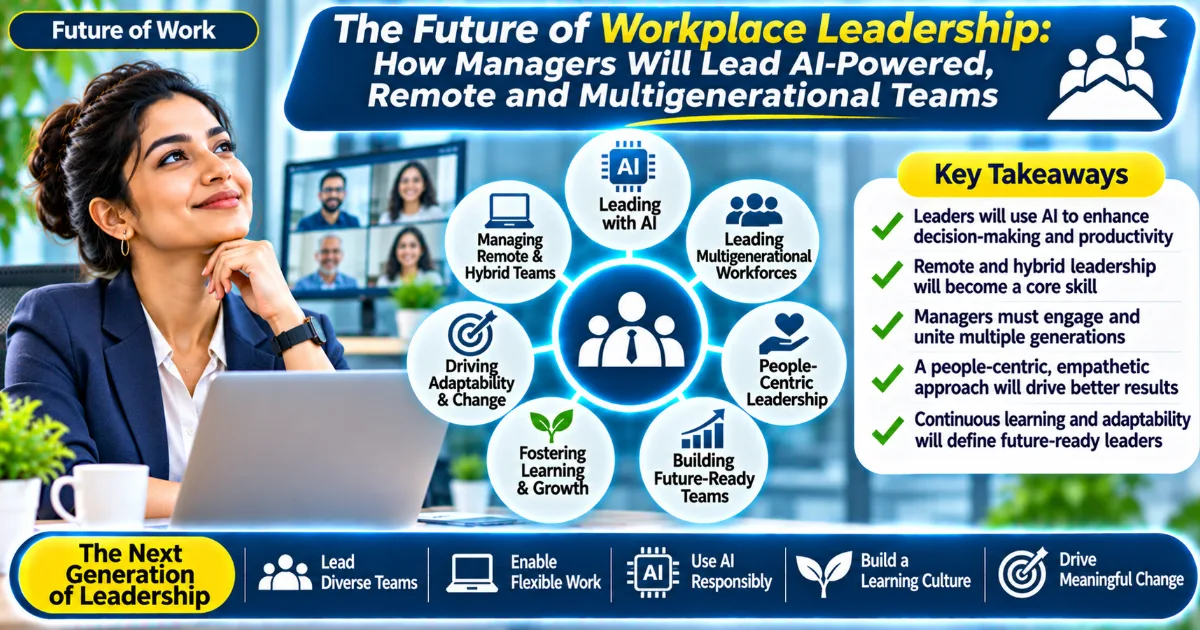
Building a Productive Workplace Through Better Management
Technology alone cannot solve every productivity problem. Management practices have a direct influence on how effectively employees use their time, skills and resources.
Unclear objectives can create duplicated effort. Poor delegation can delay decisions. Frequent changes in priorities can prevent teams from completing important work. Unnecessary approvals can slow down routine activities.
Managers should begin by ensuring that responsibilities and expectations are clear. Employees need to know which tasks matter most, who has authority to make decisions and how progress will be evaluated.
Prioritisation is equally important. Not every task has the same value or urgency. Leaders should help teams distinguish between critical objectives, routine responsibilities and activities that can be postponed or removed.
Delegation can improve productivity when responsibility is assigned appropriately. Employees should receive enough authority to complete their work without waiting for approval at every stage. Managers remain accountable for outcomes but should avoid unnecessary interference.
Regular feedback helps identify problems before they become serious. Instead of waiting until a project fails, managers can discuss progress, obstacles and resource requirements throughout the process.
A productive management culture provides direction without creating excessive bureaucracy. It gives employees clarity, support and the authority needed to complete their responsibilities effectively.
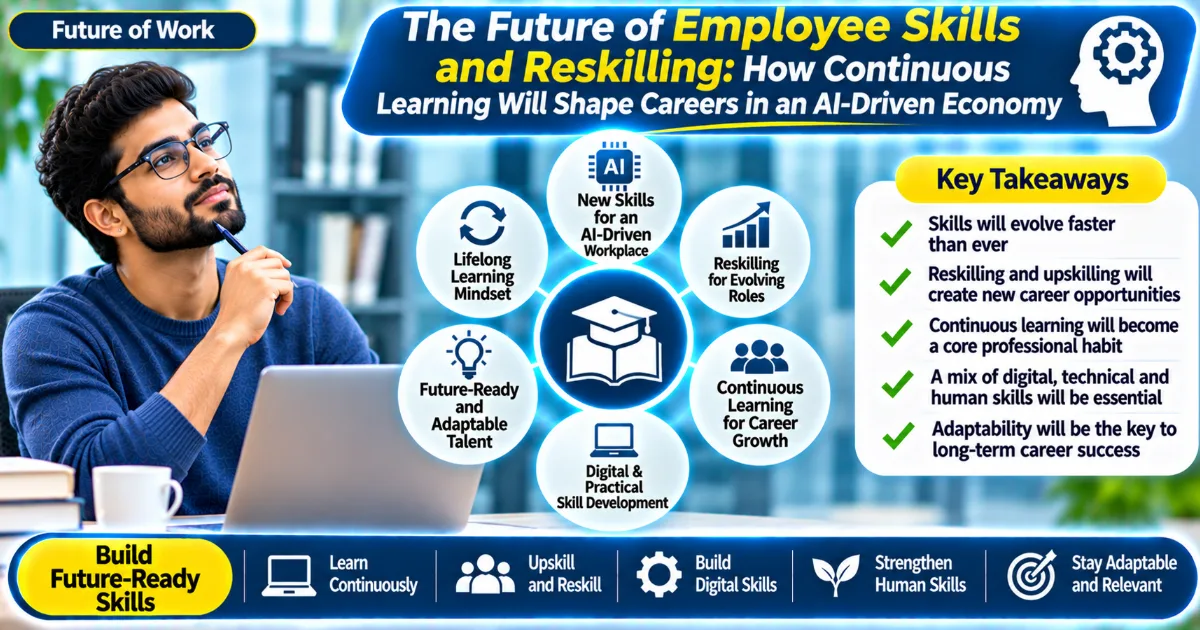
Continuous Learning and Skill Development
Workplace productivity depends partly on whether employees have the skills required to use available tools and perform their responsibilities effectively.
When organisations introduce new software, automation or AI systems without appropriate training, employees may struggle to benefit from the investment. They may use only basic features, make avoidable mistakes or return to older processes because the new approach feels unfamiliar.
Continuous learning helps employees adapt to changing requirements. Training may include technical courses, practical workshops, certifications, mentoring and opportunities to work on new projects.
AI literacy is becoming particularly important. Employees should understand how to write useful instructions for AI systems, verify generated information, protect confidential data and recognise situations where human judgement is necessary.
Digital skills should be combined with communication, critical thinking, creativity and problem-solving. These capabilities help employees use technology effectively and respond to situations that cannot be resolved through automation alone.
Organisations should also create time for learning. Employees cannot develop new skills consistently if every working hour is consumed by immediate operational demands.
A learning culture benefits both individuals and businesses. Employees become more adaptable, while organisations gain the capability to respond to technological and market changes.
Employee Well-Being and Sustainable Productivity
A productive workplace must also be sustainable. Organisations that focus exclusively on speed and output may create conditions that lead to fatigue, stress and declining work quality.
Long working hours do not necessarily produce better results. Employees who operate under constant pressure may experience reduced concentration, increased errors and difficulty maintaining motivation.
Sustainable productivity requires reasonable workloads, clear priorities, appropriate resources and healthy working arrangements. Managers should identify recurring problems that create unnecessary pressure, such as unrealistic deadlines, understaffing or frequent changes in requirements.
Breaks and time away from work are also important. Employees need opportunities to recover and maintain their ability to concentrate. Organisations should avoid creating an expectation that employees must remain continuously available outside agreed working hours.
Well-being programmes can provide additional support, but they should not replace improvements to everyday working conditions. Access to counselling or wellness resources is valuable, but it cannot compensate for consistently unreasonable management practices.
Businesses should examine productivity alongside employee experience. If output improves temporarily while turnover, absence or quality problems increase, the organisation may be creating an unsustainable performance model.
The objective is to build workplaces where employees can perform effectively over time without sacrificing their health or personal lives.
How AI and Automation Will Transform Different Industries
The impact of AI and automation will vary across industries because each sector has different processes, risks and workforce requirements.
In healthcare, AI may support administrative tasks, medical image analysis and information management. Healthcare professionals will continue to play essential roles in diagnosis, treatment decisions, patient communication and clinical responsibility.
In manufacturing, robotics and automation can improve production consistency, equipment monitoring and quality control. Human workers will remain important for maintenance, supervision, process improvement and decisions involving unusual situations.
In financial services, automated systems may support fraud detection, customer communication, risk analysis and transaction processing. Human oversight will remain important for complex financial decisions, regulatory compliance and customer relationships.
In education, AI may help teachers prepare learning materials, organise assessments and provide personalised practice activities. Teachers will continue to contribute through instruction, motivation, mentorship and understanding individual student needs.
In retail and e-commerce, automation can improve inventory management, demand forecasting and customer service workflows. Employees will continue to influence customer experience, merchandising, problem resolution and business strategy.
These examples demonstrate that productivity transformation is not identical across industries. Organisations must examine the specific tasks, risks and human capabilities involved before introducing new systems.
Challenges Businesses Must Address Before Automating Work
Although automation can improve efficiency, implementing it without careful planning can create new problems.
One challenge is process complexity. If an organisation automates a process that contains unnecessary steps or unclear responsibilities, the system may reproduce those weaknesses at a larger scale.
Integration is another concern. Businesses often use multiple software platforms that do not communicate effectively. Introducing another automated system without considering existing infrastructure can create duplicated information and operational confusion.
Data quality is equally important. Automated decisions depend on the information available to the system. Incomplete, outdated or inconsistent data can produce unreliable results.
Employee resistance may also occur. Workers may worry about job security, struggle with unfamiliar technology or feel excluded from decisions that affect their responsibilities. Organisations should communicate honestly and involve employees in implementation.
Cybersecurity and privacy risks must be addressed as well. Automated systems may process sensitive customer, financial or employee information. Access controls, security reviews and appropriate governance are essential.
Finally, organisations must consider the cost of ownership. Software subscriptions, implementation, integration, training and ongoing maintenance may reduce the expected financial benefits.
Automation should be introduced through careful evaluation, realistic planning and continuous review.
Creating a Practical Productivity Strategy for Modern Organisations
A successful productivity strategy begins with understanding how work is currently performed. Organisations should identify major processes, recurring delays, duplicated activities and tasks that consume time without creating sufficient value.
The next step is to establish clear objectives. A business may want to improve customer response times, reduce administrative effort, increase project delivery reliability or improve product quality. Objectives should be specific enough to guide decisions and evaluate results.
Organisations should then identify where technology can help. Some activities may benefit from simple workflow automation, while others may require AI assistance, improved collaboration tools or redesigned processes.
Employees should be involved in this stage. People who perform the work often understand its practical challenges better than those who only review reports. Their feedback can help identify suitable improvements and prevent unnecessary complexity.
A pilot programme can help test a proposed solution before introducing it across the organisation. Businesses can evaluate performance, identify technical problems and gather employee feedback in a controlled environment.
After implementation, organisations should monitor results. Measures may include process completion time, error rates, customer satisfaction, employee feedback and operational costs. The purpose is to understand whether the change has improved meaningful outcomes.
Productivity strategies should remain flexible. Technology, customer needs and business priorities change, so organisations must be willing to revise systems that no longer deliver value.
The Future of Workplace Productivity in India
India's growing digital economy creates significant opportunities for productivity transformation. Businesses across technology, banking, manufacturing, logistics, education, healthcare and professional services are exploring ways to use automation and AI to improve operations.
Indian IT and software companies are already operating in an environment where digital collaboration, automation and AI-assisted development are becoming increasingly relevant. Their productivity strategies will need to balance faster delivery with software quality, security and customer requirements.
Manufacturing organisations may use automation to improve production efficiency, reduce defects and support equipment maintenance. Logistics companies may use data analytics to improve inventory management and delivery coordination.
Small and medium-sized enterprises can also benefit from digital productivity tools. Cloud-based accounting, customer management systems, automated invoicing and AI-assisted content tools may help smaller businesses organise work without investing in large enterprise systems.
However, successful adoption requires appropriate training and reliable infrastructure. Businesses should not assume that purchasing software automatically improves productivity. Employees need the knowledge and support required to use new systems effectively.
Indian employers must also consider workforce development. As technology changes job responsibilities, employees may need reskilling and opportunities to move into new roles. Organisations that invest in people alongside technology can build stronger long-term capabilities.
The opportunity for India lies not only in adopting advanced tools but also in developing a workforce that can use them responsibly and creatively.
What Productivity Will Mean in the Future
The future definition of productivity will become broader and more closely connected to organisational impact.
Employees will increasingly be expected to use technology to reduce repetitive effort, but their value will also depend on judgement, creativity, communication and the ability to solve complex problems.
Organisations may measure performance through a combination of quality, customer outcomes, innovation, delivery reliability, collaboration and sustainable employee contribution. These measures will need to reflect the specific responsibilities of different roles.
Managers will focus more on removing barriers, improving processes and supporting employee development. Technology will provide information and automate selected activities, while people will remain responsible for understanding context and making important decisions.
The distinction between human work and automated work may also become less rigid. Employees will increasingly collaborate with AI assistants and automated systems as part of everyday workflows. The most effective teams will understand how to divide responsibilities between people and technology.
This future will require continuous adaptation. Organisations that treat productivity as a fixed formula may struggle, while those that regularly review their processes and listen to employees will be better positioned to improve.
Conclusion: Productivity Will Be About Creating More Meaningful Value
The future of workplace productivity will not be defined simply by how many hours employees work or how many tasks they complete. It will depend on how effectively organisations combine technology, human capability and well-designed processes to create meaningful results.
Artificial intelligence will support research, analysis and decision-making. Automation will reduce repetitive activities and improve consistency. Digital collaboration tools will connect teams across locations, while data analytics will help organisations identify opportunities for improvement.
Yet technology alone cannot guarantee productive workplaces. Employees need clear objectives, appropriate training, meaningful autonomy and supportive management. They also need time for focused work, opportunities to collaborate and working conditions that allow them to maintain sustainable performance.
Businesses must introduce technology responsibly, protect employee and customer information and ensure that important decisions receive appropriate human oversight. They should measure quality and impact rather than rewarding activity that does not contribute to meaningful objectives.
The organisations that succeed will be those that use technology to make work better, not merely faster. They will automate repetitive tasks, strengthen human collaboration and give employees more opportunities to apply their knowledge and creativity.
In the future workplace, productivity will be a shared outcome of intelligent systems, capable people and thoughtful leadership. The goal will not be to make humans work like machines. It will be to use machines intelligently so that people can concentrate on the work where human understanding makes the greatest difference.
#FutureOfWork #WorkplaceProductivity #ArtificialIntelligence #Automation #FutureOfWorkplace